
.webp?v=639247041873369369)

 Tuesday, 18/08/2026 - 11:30
Psoriasis is often considered a skin disease, but anyone who has it knows it is much more than that. The itchy patches, redness, scaling and recurring flare-ups can take a toll on confidence, comfort and overall quality of life. There are modern treatments such as topical creams, phototherapy and medications that can help manage the symptoms, but many people are still seeking ways to reduce the frequency of flare-ups and improve their overall well-being.
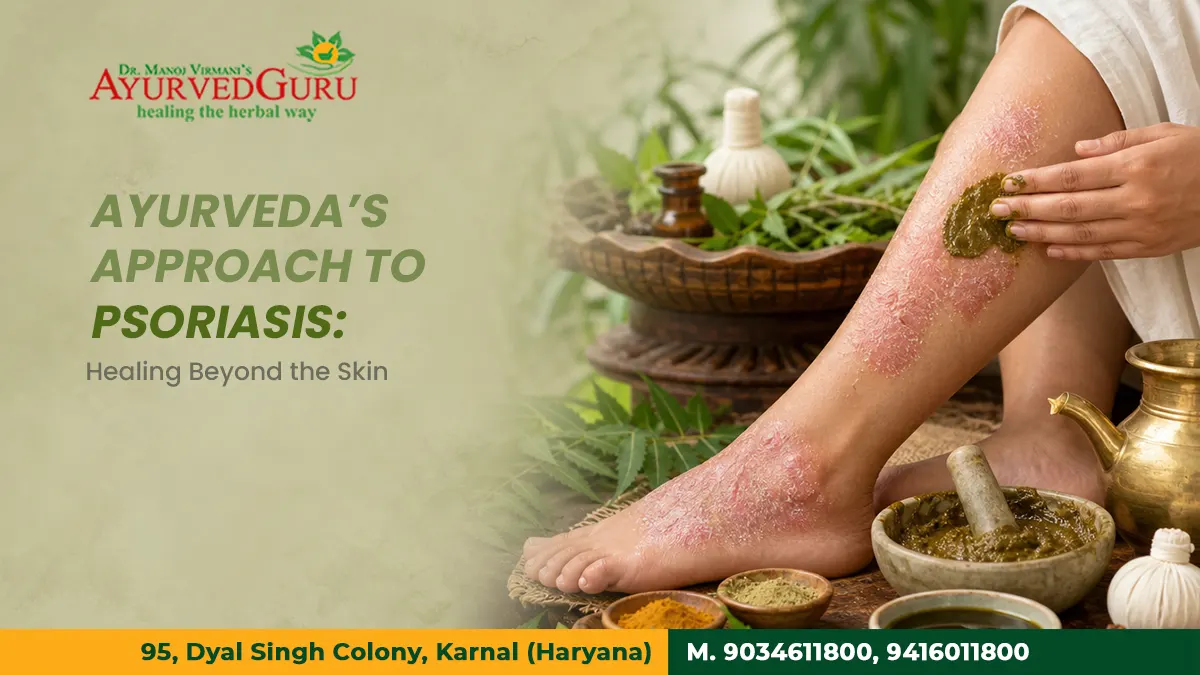
Here is where Ayurveda takes a different view. The traditional system of medicine sees psoriasis as a sign of imbalance inside the body rather than just what is on the skin. It’s not just about treating visible symptoms, it’s about re-establishing balance within the body through diet, lifestyle, herbal support and individual therapies.
Psoriasis From the Ayurvedic Point of View
According to Ayurveda, each individual is different, and wellbeing is about keeping the balance of the body’s natural energies, or doshas. In case of psoriasis, the disease is usually related to an imbalance of Pitta and Kapha doshas.
According to Ayurvedic principles, excess pitta can cause heat and inflammation, and an aggravated kapha can lead to the buildup of toxins and impaired circulation in the body’s tissues. These imbalances are thought to work together to produce dry, inflamed, scaly skin.
In conventional medicine, psoriasis is viewed as an autoimmune disorder, with a rapid turnover of skin cells. Ayurveda, however, takes a different approach, looking at and correcting the internal factors that may be causing the recurrence of symptoms.
Ayurveda views psoriasis as a symptom of the body’s overall health, not merely a skin disorder.
Why Digestion Is So Important
One of the golden rules of Ayurveda is that good digestion is the key to good health. Good digestion is believed to break down food well, while poor digestion might give rise to the accumulation of ama, a term in Ayurveda for metabolic waste that has not been properly cleared out.
This belief makes Ayurvedic practitioners ask questions about the skin that may not seem directly related to it. Before proposing any treatment, they might discuss eating habits, digestion, bowel movements, appetite, sleep, stress levels and daily routine.
The concept is simple: if the body's internal systems are working at their best, the skin is more likely to reflect that balance.
Panchakarma – A Personalized Cleanse
Some Ayurvedic practitioners suggest Panchakarma for those suffering from chronic or severe psoriasis. This is a structured program of cleansing therapies aimed at helping your body detox naturally.
Depending on the health and constitution of the individual, Panchakarma may involve therapies such as Virechana, a supervised cleansing procedure traditionally used to help balance excess pitta; Vamana, in selected cases of Kapha imbalance; Abhyanga, a full-body massage using medicated herbal oils; and Swedana, a herbal steam therapy often used with massage.
These therapies are highly individualized and should only be done under the supervision of qualified Ayurvedic practitioners. These are not home remedies and not for all.
Ayurvedic Herbal Support
Ayurveda also uses herbs traditionally known for their role in supporting healthy skin and overall wellness. Instead of a single ingredient, personalized herbal blends are often recommended by practitioners based on a person's constitution and symptoms.
Commonly employed herbs include Neem, traditionally known for benefits to healthy skin and skin hygiene; Turmeric, which has been used in both Ayurvedic and modern wellness practices for a long time because of its antioxidant and anti-inflammatory properties; Manjistha, commonly referred to in Ayurveda for healthy blood circulation and skin health; Guduchi (Giloy), traditionally used to support the body’s natural healing processes and boost general immunity; and Aloe Vera, often cited for its soothing and cooling effects, both taken internally and applied externally as needed.
Herbal supplements are not a one size fits all and it is important to keep this in mind. It is always advisable to seek the advice of a qualified healthcare professional before you begin any herbal regimen, especially if you are on prescription medications.
Importance of Food Choices
Diet is the foundation of Ayurvedic treatment. Though the recommendations are individualized, some dietary habits are frequently advised for those with inflammatory skin issues.
These generally include eating freshly prepared meals whenever possible, keeping highly processed foods and excess sugar to a minimum, limiting the consumption of deep-fried and very spicy foods if they seem to worsen symptoms, including seasonal vegetables, whole grains and foods that are easily digestible, staying well hydrated throughout the day, and maintaining a consistent meal routine rather than skipping meals or overeating.
It also promotes mindful eating – eating slowly, chewing food well and avoiding distractions while eating.
Although scientific evidence for specific Ayurvedic dietary practices for psoriasis is limited, many of these recommendations are consistent with general healthy eating habits that support overall wellness.
Lifestyle is Part of Treatment
It’s often more than diet that triggers psoriasis flare-ups. Many people are well aware of the triggers, including stress, poor sleep, irregular routines and fatigue.
Ayurveda therefore recommends a balanced daily routine that may include maintaining regular sleeping patterns, engaging in light physical activity such as walking or yoga, practising pranayama (breathing exercises), incorporating meditation or relaxation techniques, and establishing a consistent daily schedule.
In addition to supporting mental health, these practices may also help reduce some of the triggers that can lead to psoriasis flare-ups.
Can Ayurveda Cure Psoriasis?
This is among the most common questions people ask.
Psoriasis is considered a chronic condition and there is no universally accepted cure today. Ayurveda is not a sure shot remedy and the results can differ from person to person.
Some people say they have lesser flare-ups, lesser itching and a better quality of life after following Ayurvedic therapies regularly. Some may notice only slight enhancements. The outcome depends on things like how severe the disease is, general health, lifestyle and compliance with treatment.
Hence, Ayurveda should be considered as a holistic strategy for supporting overall health in the long term and not as a quick fix.
Ayurveda and Conventional Care
Ayurveda and modern medicine do not necessarily have to compete with each other. Many opt for an integrative approach, combining conventional medical treatment to manage active symptoms with Ayurvedic dietary and lifestyle practices to promote overall health.
But, if you’re thinking about taking herbal supplements or specialized Ayurvedic therapies, tell your dermatologist and Ayurvedic practitioner. This helps to avoid possible interactions and make sure that treatments complement rather than interfere with each other.
Conclusion
Living with psoriasis often involves more than skin symptoms. It’s about identifying triggers, establishing healthy patterns and looking for things that encourage good physical and emotional health.
Ayurved Guru provides a more holistic perspective that encourages people to look deeper. Many people find its emphasis on balanced nutrition, digestive health, stress management and individualized care to be a holistic strategy that can be utilized alongside traditional treatment.
It is not intended to replace medical advice or prescribed therapies but rather, as a supportive approach, for those who want to improve their overall wellness and create healthier long-term habits. As with any health care decision, the safest way to know what approach is best for your individual needs is to consult with qualified professionals.


