
.webp?v=639247041873369369)

 Friday, 23/10/2026 - 10:00
Psoriasis is more than a skin disease. Chronic itching, redness, scaliness and recurrent flare-ups can impact your daily comfort, confidence and mental health. Psoriasis is a disease of the skin, but its management often needs a broader understanding of the factors that influence it.
Ayurveda provides a traditional holistic strategy that considers digestion, diet, lifestyle, stress and an individual’s overall constitution. Dr Manoj Virmani heads the clinical team of Ayurvedguru, an Ayurveda and Panchakarma Center in Karnal, Haryana, providing individualized Ayurvedic assessment and care.
By learning about psoriasis, its triggers and the proper ways to treat it, patients can figure out the best ways to care for their skin.
What Is Psoriasis?
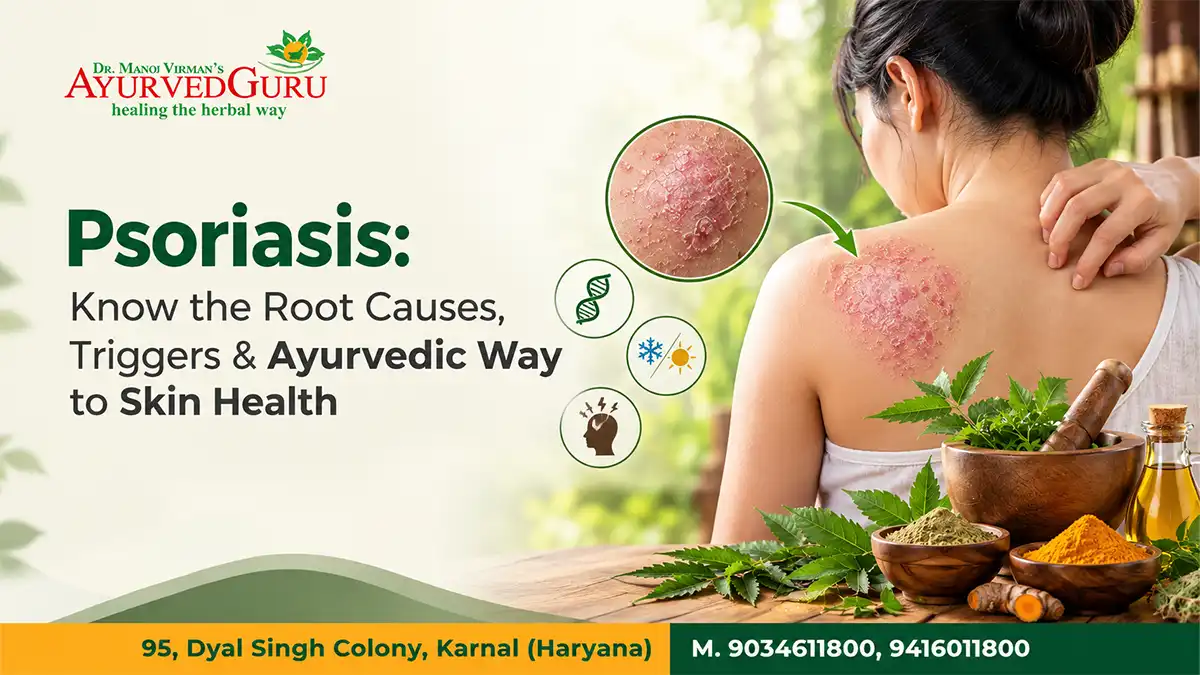
Psoriasis is a chronic, immune-mediated inflammatory skin disease characterized by accelerated skin cell growth. The process speeds up and leads to the formation of thick red or inflamed patches covered with whitish or silvery scales. These patches are often itchy, sore, cracked or sometimes bleed.
Psoriasis can develop almost anywhere on the body, but tends to affect the elbows, knees, scalp, lower back and other areas. Some people get mild, localized patches, while others develop more widespread symptoms. It can also affect the nails and, in some cases, the joints.
One important note is that psoriasis is not contagious. It is not spread through physical contact, sharing clothes or being in close contact with someone who has the condition.
In psoriasis, there are periods of exacerbation and remission. There is no cure at present, but with proper treatment symptoms can be managed and quality of life improved.
What Causes Psoriasis in the First Place?
Psoriasis is a complex condition with multiple factors involved, including immune system dysfunction, genetic susceptibility and environmental influences.” Psoriasis causes the immune system to tell skin cells to grow too quickly, leading to inflammation and the characteristic scaly patches. If you have a family history of psoriasis, you are more likely to develop it, but not everyone with psoriasis has a family member who is affected.
In Ayurveda skin disorders are viewed in a broader context of internal factors like digestion, diet and lifestyle. Some of the skin conditions are described in classical Ayurvedic texts under the category of Kushtha Roga. Ekakushtha is commonly seen in association with symptoms resembling psoriasis.
Root Cause of Psoriasis in the Traditional Perspective
Understanding Psoriasis root cause Ayurveda is important as Ayurveda and modern medicine have different frameworks for explaining the condition.
An Ayurvedic practitioner may determine the presence of the doshas, especially Vata and Kapha, as well as features associated with Pitta. The assessment may also include the quality of digestion (Agni) and the accumulation of Ama (a concept for incompletely processed substances within the body).
This assessment may include dietary habits, bowel regularity, sleep patterns, stress levels and the individual’s constitution, or Prakriti. These concepts form the basis for the classical Ayurvedic view of a person’s health and guide the provision of personalized supportive treatment.
But the biomedical causes of psoriasis have not been established in the concepts of Ayurveda such as dosha imbalance and Ama. Recently, immune dysfunction and genetic predisposition have been recognized as important factors. This difference helps the patients pursue Ayurveda with realistic expectations and continue to receive appropriate medical care.
Psoriasis Ayurveda Triggers: Diet, Stress & Lifestyle Factors
The traditional approach to What triggers psoriasis Ayurveda includes the relationship between food, digestion, daily routines and mental health.
Ayurveda may look at irregular eating habits, eating too much heavy or processed foods, and certain food combinations that are called Viruddha Aahar in the traditional texts. Practitioners may also look at whether a person’s diet seems to match changes in their symptoms.
Another thing that is important is stress. Emotional strain can interfere with sleep, daily habits and inflammatory pathways, which can trigger psoriasis flare-ups. Ayurveda has traditionally tackled this with individualized lifestyle advice, relaxation techniques and mind-body approaches.
Other things to watch out for are lack of sleep, smoking, heavy drinking and changes in the weather. Cold, dry weather can exacerbate symptoms in some people, and skin injuries, infections and certain medications can cause flare-ups in others.
It’s important not to assume that all foods that have traditionally been thought to be unsuitable will make psoriasis worse. There is little evidence for specific dietary restrictions and responses vary from person to person. Tracking symptoms can help patients find true patterns without unnecessarily eliminating healthy foods from the table.
Does Diet and Digestion Impact Psoriasis?
While diet alone cannot account for all cases of psoriasis, good dietary habits can promote general good health and may help some individuals influence risk factors for the disease.
An Ayurvedic diet may focus on fresh foods, regular meals and choices that are individualized to the person. Balanced diet with vegetables, fruits, whole grains, pulses, healthy fats and adequate protein can provide vital nutrients.
Some people have worsening of symptoms with alcohol or certain foods. Listening to these observations might result in sensible changes in the diet. Avoid restrictive diets unless there is a clear intolerance or medical reason to follow them, as they can lead to nutritional deficiencies.
Just as with constipation and digestive upset, just because they affect overall health, they don’t have to be the root cause of psoriasis.
If you are a patient who is considering using herbal medicines or Ayurvedic supplements then you should talk to a qualified practitioner about them. Natural products can still have side effects or interact with prescription medications. Some preparations may contain ingredients that require special caution.
What Is the Ayurvedic Treatment for Psoriasis?
Ayurveda does not assume that the same treatment is appropriate for every patient. Rather, an Ayurvedic practitioner will assess each individual and decide on an appropriate approach to supportive care. During a consultation the practitioner may consider how long the skin symptoms have been present, which areas of the body are affected, previous treatments, dietary habits, sleep patterns, stress levels and other health concerns.
Depending on the assessment, an Ayurvedic practitioner may prescribe traditional herbal formulations, dietary changes, changes in lifestyle or selected Panchakarma therapies. The right intervention for an individual will depend on their condition, medical history and treatment needs.
Panchakarma cannot be regarded as a sure detoxification method or panacea for psoriasis. There is limited evidence for Ayurvedic treatments for psoriasis and they may not be equally effective or safe. Patients should receive clear information about the evidence available, possible risks, costs and realistic treatment goals.
Dermatological care is still important. Treatment options can include moisturizers, prescription topical treatments, phototherapy and systemic medicines depending on the severity of the condition. Ayurveda should never be used as a substitute or to delay appropriate medical evaluation and evidence-based treatment. Never stop taking psoriasis drugs without first consulting the treating clinician.
When Should You Talk To A Professional?
Persistent itching, spreading plaques, painful cracks, or symptoms that disrupt sleep and other daily activities should be evaluated by a healthcare professional. A dermatologist can confirm the diagnosis and recommend appropriate treatment.
Psoriatic arthritis can also be associated with psoriasis. Anyone with psoriasis who has ongoing pain, swelling or stiffness in their joints should see a doctor for assessment. Widespread erythema, extensive skin desquamation, fever, or rapidly developing pustules require urgent medical assessment.
An individualized approach, combining appropriate medical treatment with a healthy diet, stress management and supportive care, enables people to make educated choices regarding managing this long-term condition.
Conclusion: Get Personalized Ayurvedic Care Experience at Ayurvedguru, Karnal
Living with psoriasis can be frustrating, especially when symptoms keep coming back, no matter how hard you try to manage your condition. The important steps to better skin health are knowing your personal triggers, keeping a healthy lifestyle and consulting a professional at the right time.
Individual Assessment Based Consultations and Personalized Ayurvedic Treatment at Ayurvedguru, Karnal by Dr Manoj Virmani and Ayurvedic Clinical Team. The center provides a combination of traditional Ayurvedic guidance with selected therapies where clinically appropriate, taking into consideration diet and lifestyle.
If you’re interested in Ayurvedic care for psoriasis, take the next step with an informed consultation. Talk to a qualified practitioner about your symptoms, previous treatments and expectations, and make sure any Ayurvedic care plan is coordinated with appropriate dermatological treatment.
Talk to Dr Manoj Virmani at Ayurvedguru, Karnal for your psoriasis issues and to create a personalized care plan.
To have healthier skin you need to know your condition and choose care that is personalized, responsible and evidence-informed.


