.webp?v=639286021251580539)

 Wednesday, 28/10/2026 - 12:45
Living with psoriasis is tiring. The itching, the scaly patches, and the worry about the next flare-up can wear anyone down, so it's no surprise that many people start looking for a gentler, long-term approach. If that sounds like you, you've probably thought about visiting a Psoriasis Ayurvedic doctor.
The trouble is that India has thousands of clinics, and they aren't all equally qualified, honest, or careful. This guide covers what to check and what to ask before you commit to any plan, whether you live in a metro city or a small town.
Why Your Choice of Doctor Matters So Much
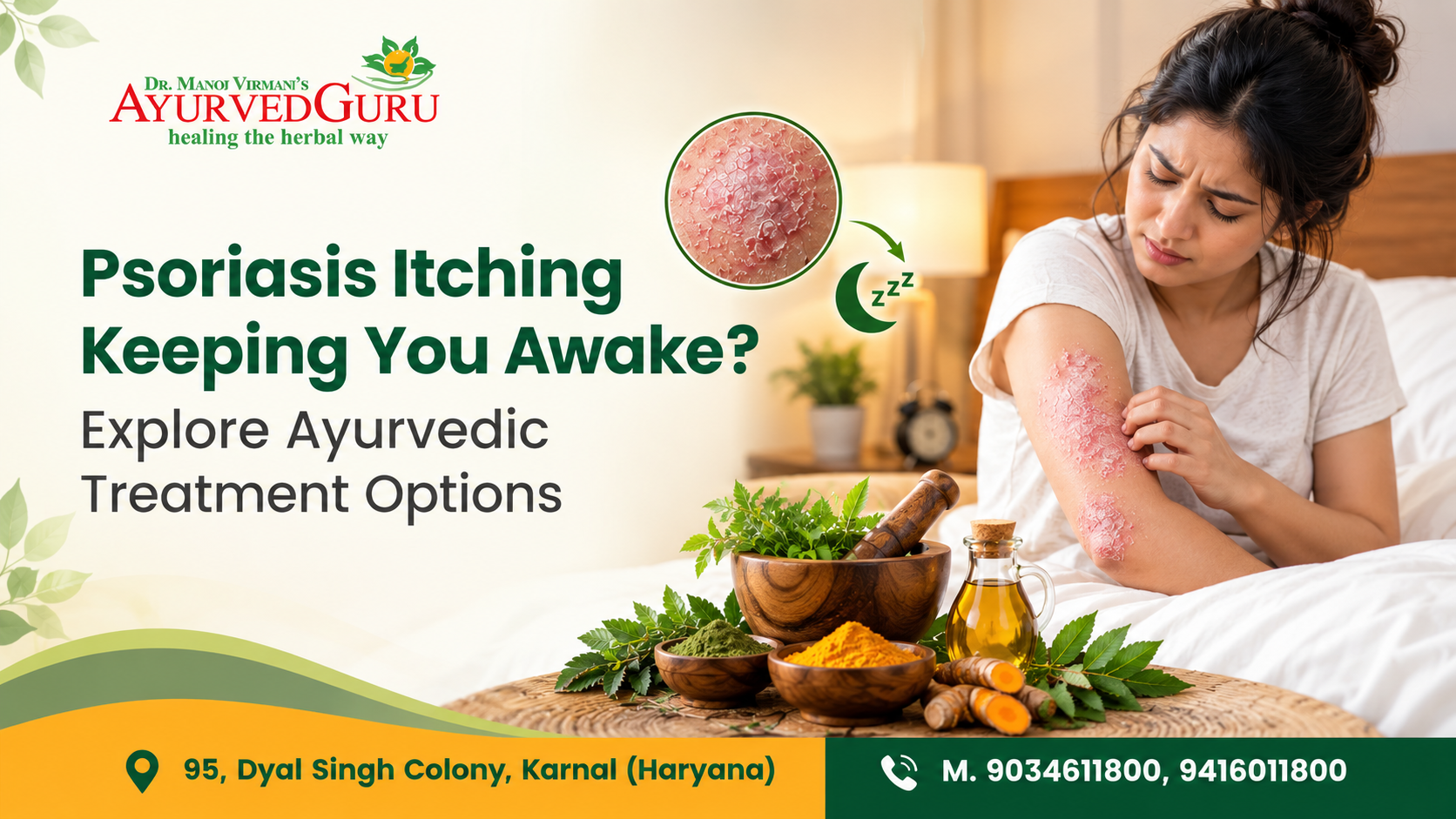
Psoriasis is a chronic, non-contagious skin condition. The immune system speeds up the life cycle of skin cells, and thick, red, scaly patches appear on the elbows, knees, scalp, or nails. It tends to come and go. Stress, infections, weather changes, and food habits can all set off a flare.
Ayurveda usually discusses skin disorders under the broad heading of Kushta. The approach looks at digestion, stress, sleep, and the balance of the doshas, not just the skin. Because the plan is so personal, your doctor shapes almost everything, including the herbs you take, the diet you follow, and how closely your progress is watched. A thoughtful Psoriasis Ayurvedic doctor treats the whole person. A careless one may simply hand over a packet of medicines and send you home.
Start With Qualifications and Registration
Before anything else, check the basics. They take five minutes, and they tell you a lot.
- Degree: A qualified practitioner holds a BAMS (Bachelor of Ayurvedic Medicine and Surgery) from a recognised institution. An MD in Kayachikitsa or a related branch is an added strength for chronic conditions.
- Registration: Doctors of Indian medicine should be registered with a State Board or Council of Indian Medicine, and the National Commission for Indian System of Medicine oversees the field. Ask for the registration number. A genuine doctor won't mind.
- Relevant experience: Treating a cold is not the same as managing a long-term skin condition. Ask how long the doctor has worked with chronic skin problems.
- Facilities: If your plan may include Panchakarma, the clinic should have a clean, proper setup, not only a consultation room.
Credentials alone don't guarantee good care. Still, a missing credential is a clear warning.
Questions to Ask Before You Begin Treatment
Don't feel shy about asking questions. Good doctors expect them, and the answers will show you how the clinic really works.
1. "How many psoriasis patients have you treated, and what types?"
Psoriasis isn't one single pattern. Plaque, scalp, guttate, nail, and palmoplantar forms behave differently. You want someone who has seen your type before, not someone giving a general answer.
2. "How will you assess my case?"
A proper consultation takes time. The doctor should ask about when the patches began, your family history, your stress levels, your sleep, your digestion, and your current medicines. If the diagnosis takes two minutes and the prescription is ready before you've finished explaining, think twice.
3. "Will my plan include only medicines, or Panchakarma as well?"
Many Ayurvedic clinics use cleansing therapies such as Virechana (therapeutic purgation) or Basti (medicated enema) alongside herbal medicines, diet, and lifestyle advice. These therapies don't suit everyone, though. Age, strength, and other health conditions all matter. Ask why a particular therapy is being suggested for you, and what the alternative would be.
4. "What exactly is in the medicines, and are they tested?"
This question matters more than most people realise. Some traditional formulations contain processed minerals or metals, so quality testing is important. Ask whether the medicines come from a licensed manufacturer and whether they are lab-tested for heavy metals. Ask, too, whether anything contains steroids, which some unscrupulous products hide. Neither vague answers nor "secret formulas" should satisfy you.
5. "What results can I realistically expect, and how long will it take?"
Honesty is the best sign here. Psoriasis is a long-term condition, and nobody can promise a particular result or a fixed number of days. A trustworthy doctor will talk about gradual improvement, possible setbacks, and regular reviews instead of overnight transformation.
6. "Can I continue my current medicines?"
Never stop prescribed medicines, creams, or injections on your own. A responsible Psoriasis Ayurvedic doctor will want to know about your dermatologist's treatment and will help you plan around it. Some patients combine approaches under proper supervision, and that conversation should be open, not awkward.
7. "What changes will I need to make to my diet and routine?"
Ayurveda puts real weight on food, sleep, and daily habits. Expect specific guidance, for example which foods to cut back on, when to eat, and how to manage stress. If the advice is only "take these tablets," something is missing.
8. "What does the full treatment cost?"
Ask for a clear estimate covering consultation, medicines, therapies, and follow-ups. Whether you're paying per visit or for a package, you should know the total before you start, not after.
Red Flags to Walk Away From
Some signs should make you pause, and you shouldn't ignore them.
- Promises of a "100% permanent cure" or a guaranteed result in a fixed number of days
- Refusing to share a registration number or ingredient details
- Pushing an expensive package on your very first visit
- Telling you to stop all other medicines immediately
- Prescribing over phone or WhatsApp without ever examining you
- Using only before-and-after photos as proof, with nothing else to back them up
- Selling unlabelled medicines with no batch number, licence, or expiry date
If you notice even one or two of these, it's perfectly fine to leave and look elsewhere.
What a Good First Consultation Looks Like
A good first visit feels unhurried. The doctor listens first, and then examines your skin, your nails, and often your pulse and tongue as part of the traditional assessment. You'll likely be asked about your diet, bowel habits, sleep, stress, and past treatments. After that, the doctor should explain the plan in plain language, covering what the medicines do, how long you'll take them, what to avoid, and when you'll come back for review.
You should leave with clear written instructions, not only a bag of medicines. Likewise, you should feel free to ask questions without being rushed.
Practical Tips Before You Decide
A few simple habits can protect you.
- Read reviews carefully. Look for detailed, balanced experiences, not only glowing one-liners.
- Visit the clinic if you can. Cleanliness, staff behaviour, and the way patients are treated say a lot.
- Track your progress. Take photos of your patches every few weeks in similar light. It helps both you and the doctor judge whether the plan is working.
- Keep your records together. Carry old prescriptions and test reports to every visit.
- Take your time. There's rarely a reason to decide in one day, and a good doctor won't pressure you.
Final Thoughts
Choosing a Psoriasis Ayurvedic doctor is not only about finding someone with a degree, but also about finding someone who listens, explains, and stays honest about what's possible. Check the credentials, ask the hard questions, and trust your instincts if something feels off. Psoriasis needs patience, so the right partner for the journey matters.
If you're in Haryana, Ayurved Guru in Karnal runs OPD consultations and Panchakarma services where you can ask these very questions in person.
Frequently Asked Questions
1. How do I know if a Psoriasis Ayurvedic doctor is genuinely qualified?
Check for a BAMS degree or higher from a recognised institution, and ask for the State Board or Council registration number. A qualified doctor will share this willingly. You can also look at how long they've treated chronic skin conditions and whether they explain their plan clearly.
2. Can I take Ayurvedic treatment along with my dermatologist's medicines?
Many people do, but it should always happen under supervision. Tell both doctors about everything you're taking, and don't stop any prescribed medicine on your own. A responsible Ayurvedic doctor will want to coordinate with your existing treatment.
3. How long does Ayurvedic treatment for psoriasis usually take?
It varies from person to person, because the type of psoriasis, its severity, your lifestyle, and your overall health all play a part. Psoriasis is a long-term condition, so be cautious of anyone who promises a fixed timeline or guaranteed result. A good doctor will explain what to expect and review your progress regularly.