
.webp?v=639247041873369369)

 Tue, 27/02/2026 - 12:30
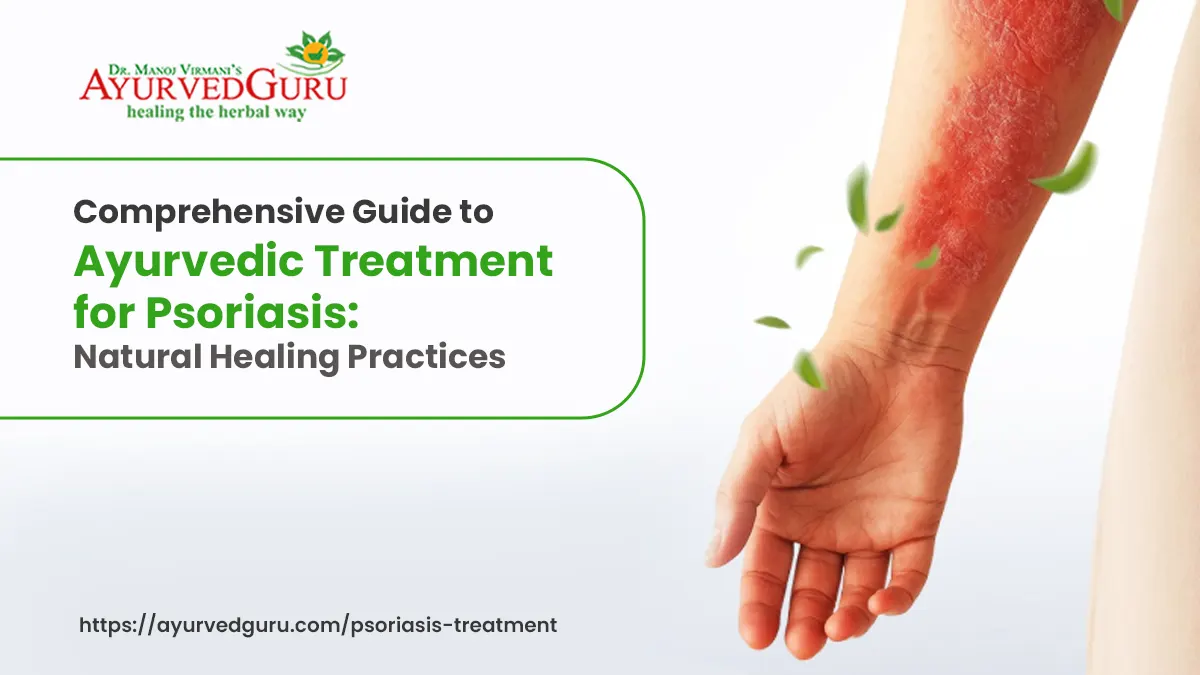
Psoriasis is a skin problem many people suffer with for a long time. In India, you will find many families where someone has this issue, it comes and goes. Sometimes skin feels fine, sometimes it becomes very dry, red, and itchy. People feel uncomfortable wearing half sleeves or going outside.
Ayurveda looks at psoriasis in a different way, it does not just see skin from outside but also looks inside the body also. That is why many people now trust Ayurvedic psoriasis treatment when nothing else gives long relief.
Understanding Psoriasis in Daily Life
Psoriasis is not only skin deep it also affects the mind. When itching starts at night, sleep gets disturbed and when skin cracks, pain is there while some people also get nail problems. Nails become thick, yellow, or break easily even simple things like shaking hands makes a person feel shy.
Doctors say the immune system plays a role, but the exact reason is still confusing. Stress, bad food habits, alcohol, smoking, all make it worse and weather change also triggers it. In winter, skin becomes more dry, many people apply creams but relief is short.
Here Ayurveda slowly helps by changing internal balance that is why it takes time but the effect stays longer.
Ayurveda View on Psoriasis
In Ayurveda, psoriasis is linked with imbalance of doshas. Mostly Vata and Kapha are disturbed because of this, dryness, scaling and itching happens. Pitta also joins sometimes and causes redness and burning.
Ayurveda does not believe in quick fixes, it believes the body heals itself if given the right support. That is why Ayurvedic psoriasis treatment focuses on food, herbs, lifestyle, and mental peace together.
When a person follows treatment properly, flare-ups reduce slowly, skin starts feeling softer, even itching comes down. Many people feel overall body energy improves.
Herbs Used in Ayurvedic Treatment
Ayurvedic medicines use natural herbs, these herbs are not magic but they work gently. Neem is very common and it helps clean blood and reduce itching. Moreover, turmeric is also used because it reduces swelling and redness. Manjistha is another herb which supports skin health from inside.
These herbs are given in powder, tablets or liquid form. Sometimes oils are applied on skin, it smells strong, but after some days skin feels better. Do not expect overnight change because ayurveda needs patience.
Always take herbs only after consulting the best ayurvedic doctor for psoriasis treatment. Self-medication is not good because everyone’s body type is different.
Panchakarma and Body Cleaning
Panchakarma is part of Ayurveda which cleans the body from inside. In psoriasis cases, it is very helpful if done correctly, it removes toxins that stay inside the body for years.
Some people feel scared hearing about Panchakarma but it is done step by step including oil massage, steam, and other methods are used. After a few days, my body feels lighter and my skin also responds better to medicines after this.
Not everyone needs Panchakarma. Only the best ayurvedic doctor for psoriasis treatment can decide if it is needed or not.
Food and Lifestyle Changes
Food plays a big role in psoriasis. Ayurveda clearly says wrong food creates toxins such as spicy food, fried food, junk food makes skin angry while alcohol and smoking are worse for psoriasis.
Eating simple home food such as rice, dal, vegetables, and fruits are more than good enough and drinking enough water also helps skin. Eating at the right time is also important because eating late at night can increase problems.
Lifestyle is also important. The stress increases psoriasis a lot, yoga and light walking helps in managing stress. Even sitting quietly for 10 minutes helps the mind calm down.
Nail Care and Confidence
Psoriasis also affects nails, it becomes rough and breaks. Simple nail care is important because it helps to keep nails short and clean. Moreover, applying oil on nails also helps a lot.
Some people feel low confidence because of their nails. Simple nail art or clean polish helps feel better mentally but feeling good inside also supports healing. Small things matter more than we think.
Why Choosing Right Doctor Matters
Many people try random treatments and then lose hope. Ayurveda works best when the doctor understands your body, the best ayurvedic doctor for psoriasis treatment will ask many questions including food habits, sleep, stress, digestion, all are checked.
This personal approach is the strength of Ayurveda, it is not one medicine for all. That is why results differ from person to person.
Always choose a trusted clinic such as Ayurvedguru where doctors focus on the root cause, not just symptoms, the ayurvedic psoriasis treatment under proper guidance is safe and natural.
Safety and Patience in Ayurveda
Ayurvedic treatment is safe when taken correctly but it still needs care, some herbs may not suit everyone. Always tell your doctor about other medicines you are taking.
Results take time, many people stop in between thinking nothing is happening but the inside body changes slowly. Skin healing is the last step.
Patience is key and ayurveda teaches us balance, not hurry.
Conclusion
Psoriasis is a long-term issue, but it can be managed well. Ayurveda gives a natural path to healing, it works from inside and supports body balance. With the right food, herbs, and lifestyle, life becomes easier.
If you are tired of temporary relief and want natural care, Ayurvedguru is the right place for you. Consult experienced doctors and start your journey with Ayurvedic psoriasis treatment today.
Get guidance from the best ayurvedic doctor for psoriasis treatment and give your skin a chance to heal naturally.
FAQ’s
1. Do I need to stop all modern medicines during Ayurveda?
No, do not stop suddenly because it can cause problems. Always tell your Ayurvedic doctor about all medicines you are taking so they can guide you safely.
2. Will Ayurvedic oils stain clothes or smell strong?
Yes, some oils can smell strong and may stain light clothes. But they are helpful for skin healing, and the smell becomes mild after regular use.
3. Can I use home remedies along with Ayurvedic medicine?
Some home remedies like oiling or simple diet changes may be fine but always ask your doctor first, because wrong mixing can slow healing or irritate skin.


