
.webp?v=639247041873369369)
Authentic Ayurvedic Psoriasis Treatment
For 30+ years, Ayurvedguru's expert doctors in Karnal have helped 2500+ patients overcome chronic psoriasis using Panchakarma detox, classical herbal medicines, and precision diet correction.
- ✦ Targets Kushtha Roga (Psoriasis) root cause : toxins, dosha imbalance, weak digestion, metabolic waste
- ✦ All 6 types treated: Plaque, Scalp, Guttate, Inverse, Pustular, Erythrodermic
- ✦ Personalized treatment based on your Prakriti (body constitution)
- ✦ Online consultations + medicine delivery across India & abroad
START YOUR PSORIASIS CARE JOURNEY
Tell us about your condition. Our Psoriasis Care Expert will Reach you back in 24 Hours
From Before to Better
Explore documented treatment journeys from Ayurvedguru.
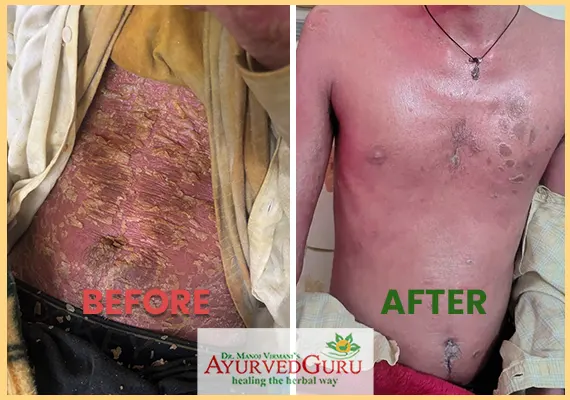
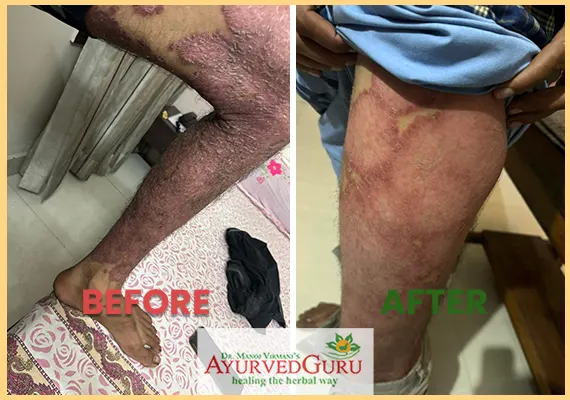
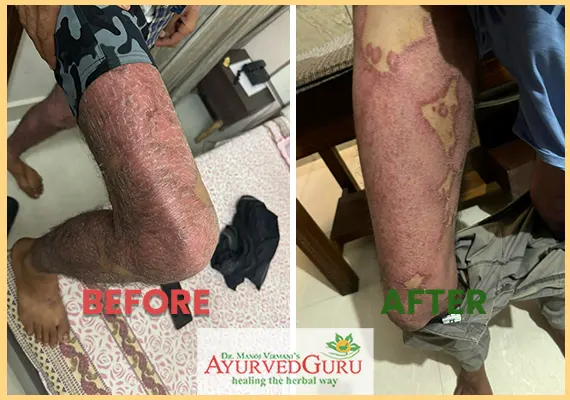
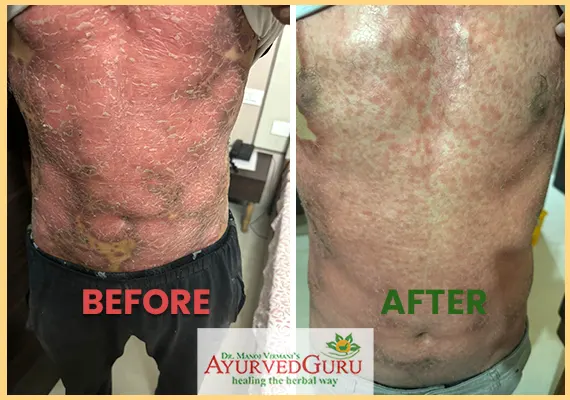
Why Does Psoriasis Keep Coming Back ?
Understanding psoriasis through the Ayurvedic lens and why personalised care matters.
Psoriasis is a chronic autoimmune skin disorder where the immune system goes into overdrive, causing skin cells to multiply in days rather than weeks. This leads to the characteristic red, scaly, inflamed patches most visible on elbows, knees, scalp, and lower back.
Psoriasis involves periods of flare ups and remission. Its severity and triggers can vary greatly from person to person. Factors such as genetics, immune activity, stress, lifestyle, diet and environmental triggers may all influence the course of the condition.
Till now you have only managed the symptoms but failed to eliminate the root cause. Ayurveda goes deeper.
The Ayurvedic Perspective
Ayurveda does not approach every psoriasis case in exactly the same way. Assessment considers the individual's Prakriti, Vikriti, Dosha involvement, digestion, lifestyle, diet and overall health to create a personalised understanding of the condition. This is why your care plan should be personal and unique to your body.
What Does Ayurveda Look At?
Ayurvedguru's 6 Step Approach to Personalised Psoriasis Care
We don't suppress your symptoms, we eliminate what's creating them.
Tell Us About Yourself
Begin Your Psoriasis Care Journey
Fill out our simple psoriasis assessment form. This helps our team understand your situation before your consultation.
Meet Your Psoriasis Care Expert
Your Dedicated Point of Contact
A dedicated Psoriasis Care Expert at Ayurvedguru is assigned to you. They understand your case, answer your initial questions and personally guide you through the next steps.
Get Connected With the Right Expert
Your Consultation, Carefully Coordinated
Your Psoriasis Care Expert coordinates your appointment with the appropriate Ayurvedguru Ayurveda specialist based on your requirements, availability and case details, making the consultation process simple and seamless.
In-Depth Consultation
Understanding Your Condition
During a detailed consultation, our Ayurvedic physician evaluates your complete health picture, including your symptoms, history, lifestyle, digestion, diet, constitution and other relevant factors, to develop a deep understanding of your condition
Receive Your Personalised Treatment Plan
A Plan Designed Specifically For You
Based on the consultation, your Ayurvedic physician recommends a personalised care plan. This may include Ayurvedic medicines, diet and lifestyle guidance, Panchakarma or other supportive therapies, wherever appropriate for your individual case.
Ongoing Care & Guidance
You're Supported Beyond the First Consultation
Your journey doesn't end after receiving your treatment plan. Your Psoriasis Care Expert stays connected with you, helping coordinate follow-ups, track your progress, answer questions and keep you guided throughout your care journey
Meet Ayurvedguru's Expert Psoriasis Doctors
Our team of specialist Ayurvedic physicians brings decades of combined experience in chronic skin disorders, Panchakarma, and holistic healing.
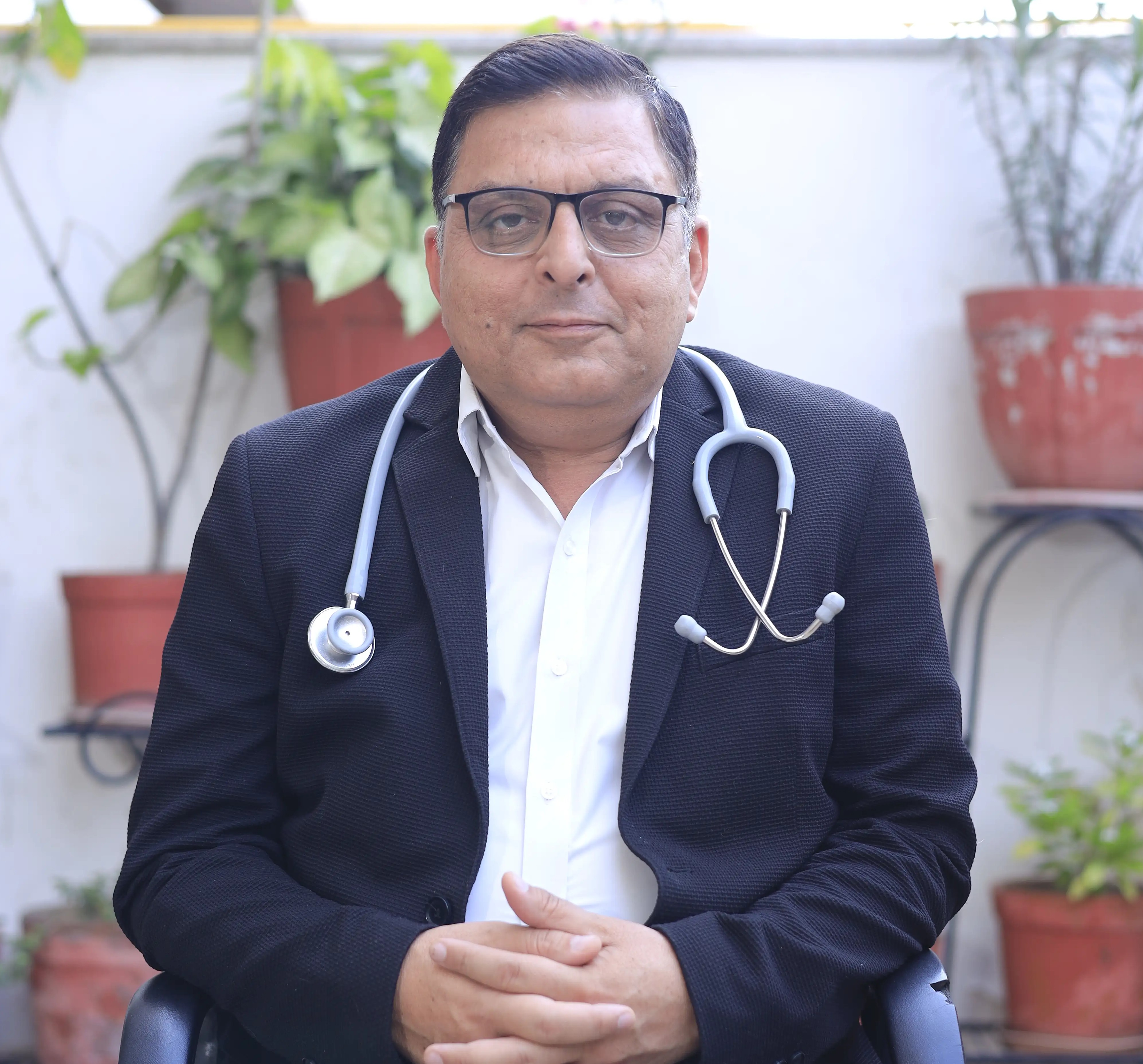
Dr. Manoj Virmani
(BAMS, MD)
30+ years of clinical expertise in Ayurvedic skin disorders. Specializes in chronic psoriasis, Panchakarma, and classical herbal formulations. Trusted by patients across India and abroad. Known for deep understanding of classical texts combined with modern diagnostics.
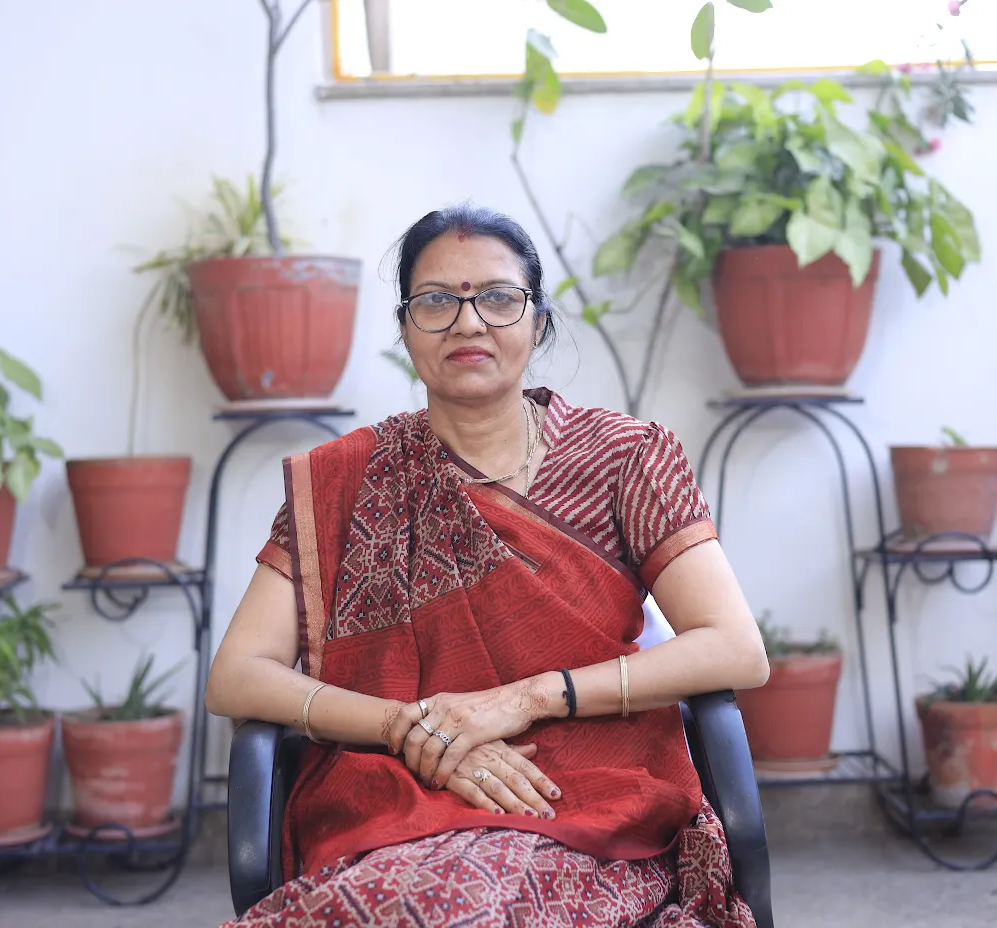
Dr. Poonam Virmani
(BAMS, MD)
Specializes in holistic Ayurvedic healing with a focus on women's skin health, hormonal psoriasis triggers, and gentle but deep healing approaches. Combines patient education with compassionate care for lasting results.
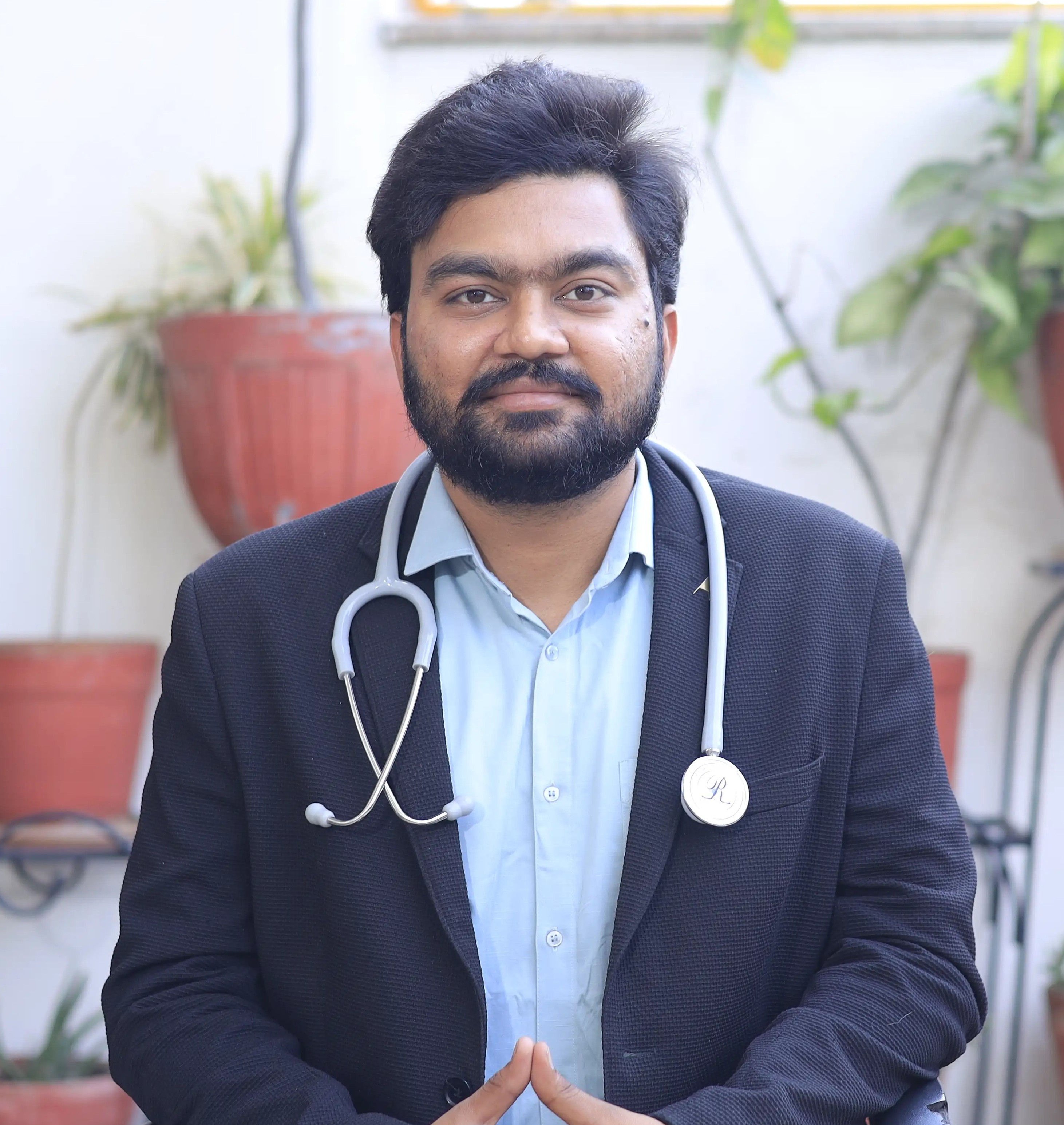
Dr. Gopesh Virmani
(BAMS, MD)
A rising force in Ayurvedic medicine with expertise in detoxification protocols and modern clinical Ayurveda. Brings contemporary insights to traditional therapies, helping hundreds achieve long-lasting psoriasis relief and improved quality of life.
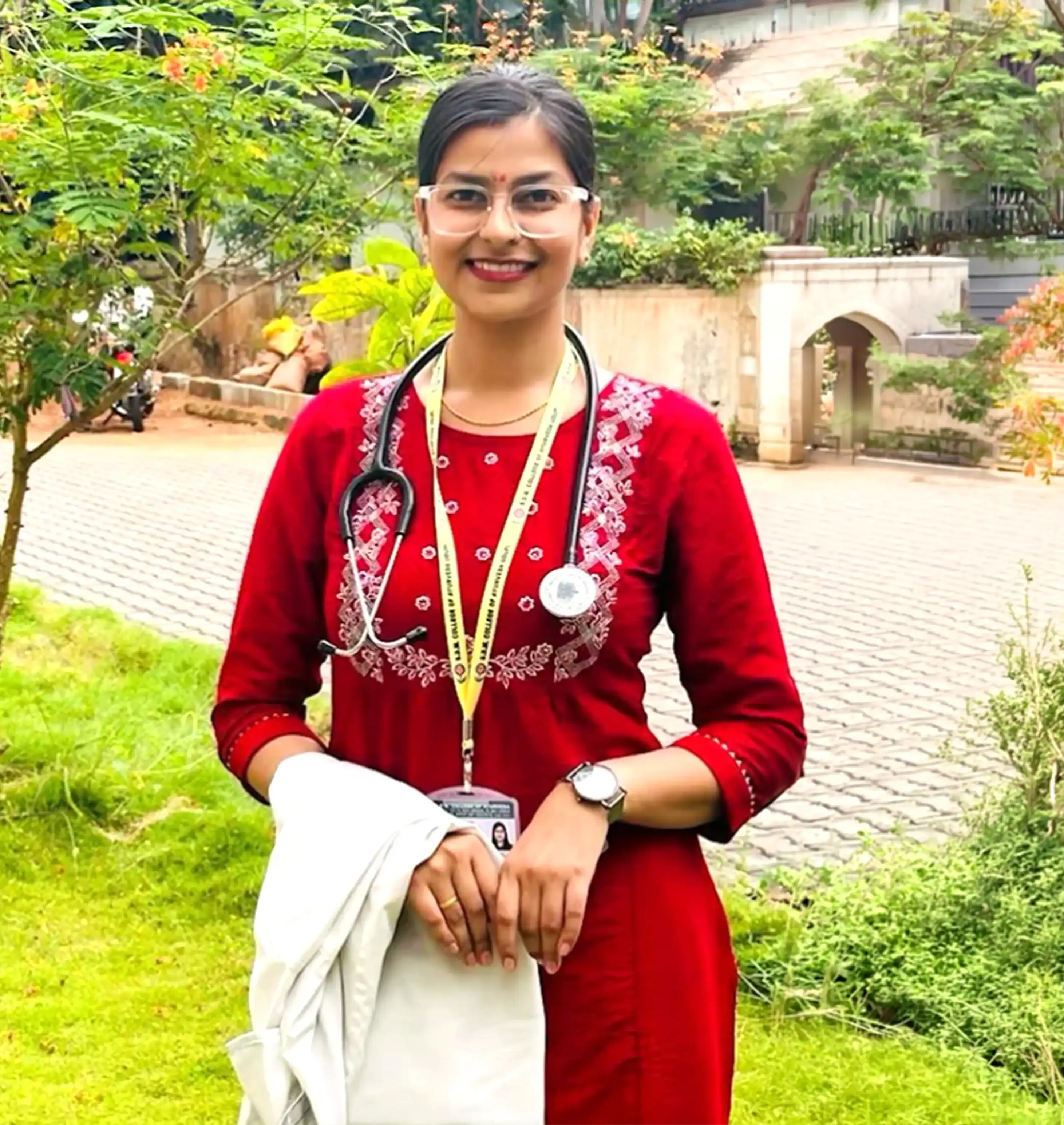
Dr. Shikha Sahore
(BAMS, MD)
Dr. Shikha Sahore is an Ayurveda physician with a strong foundation in classical Ayurvedic principles. She completed her BAMS and earned her MD in Samhita Siddhanta & Siddhanta from the prestigious SDM College of Ayurveda, Udupi, Karnataka with a University rank in the subject.
Root Causes & Triggers of Psoriasis in Ayurveda
Understanding what triggers your psoriasis is half the cure. Ayurvedguru's doctors perform a thorough trigger analysis as part of every consultation.
Root Causes (Nidana)
Common Triggers (Nimitta)
Ayurvedic Diet for Psoriasis: What to Eat & Avoid
In Ayurveda, food is medicine. The right diet reduces Ama, pacifies aggravated doshas, and prevents flare-ups. The wrong diet can undo months of treatment. Dr. Virmani provides every patient a personalized diet plan.
Foods to Avoid in Psoriasis
Foods That Heal Psoriasis
Why Ayurvedguru Is India's Trusted Name for Ayurvedic Psoriasis Care
Experienced Physicians
Your care is guided by experienced Ayurvedic doctors.
Dedicated Care Expert
You have a point of contact throughout the journey.
Classical Ayurveda
Actual Ayurvedic principles are applied thoughtfully to individual cases.
Online & In-Person
Consult from home or visit the Ayurvedguru clinic in Karnal.
Continued Support
Follow-up doesn't stop after your first consultation.
What Our Psoriasis Patients Say
Over 2500 patients have found lasting relief at Ayurvedguru. Here are a few of their stories.
After years of struggling with scalp psoriasis and heavy steroid creams, Ayurvedguru's personalized treatment gave me freedom and confidence I thought I'd lost forever. My scalp is clear for the first time in 7 years.

The natural herbs and Panchakarma detox cleared my skin completely without any side effects. Dr. Manoj explained everything patiently. I'm deeply grateful to the entire Ayurvedguru team for their genuine care.
I had erythrodermic psoriasis and was hospitalized multiple times. Modern medicine gave me steroids that stopped working. Ayurvedguru's holistic plan helped me regain complete control over my skin and health.
Video Testimonials from Real Patients
Frequently Asked Questions About Ayurvedic Psoriasis Treatment
From treatment duration to diet, from medicines to online consultations — we answer everything you need to know before starting your healing journey.
Can Ayurveda cure psoriasis permanently?
Ayurveda offers significant long-term relief by addressing root causes — dosha imbalance, toxin accumulation (Ama), weak digestion, and impure blood. With Panchakarma detox, herbal medicines, correct diet, and stress management, most patients at Ayurvedguru achieve lasting skin health with greatly reduced or eliminated recurrence. Lifelong adherence to Ayurvedic diet and lifestyle principles is key.
How long does Ayurvedic psoriasis treatment take?
Acute cases may begin to improve visibly within a few weeks. Chronic or long-standing psoriasis typically requires 3 to 6 months. At Ayurvedguru, doctors monitor each patient's progress regularly and adjust treatment accordingly for the best sustainable outcome.
What is Panchakarma for psoriasis?
Panchakarma is Ayurveda's 5-procedure deep detoxification system. For psoriasis, the primary therapies are Virechana (purgation to cleanse Pitta from blood), Basti (enema to pacify Vata), and Raktamokshana (bloodletting for direct blood purification). These remove deep toxins that topical creams and modern medicines cannot reach, addressing psoriasis at its cellular level.
What foods should I avoid during psoriasis treatment?
Avoid curd, all sour foods, red meat, seafood, fermented items (pickles, vinegar), processed and junk food, excess salt and spice, alcohol, and incompatible food combinations (Viruddha Aahar). These aggravate Pitta and Kapha doshas and increase Ama formation, worsening inflammation and scaling.
Is psoriasis contagious?
No. Psoriasis is absolutely not contagious. It is an autoimmune condition where the body's own immune system becomes overactive. It cannot spread from person to person through touch, sharing utensils, or any other contact.
Can psoriasis affect the joints?
Yes. Some people with psoriasis develop psoriatic arthritis, which can cause joint pain, swelling and stiffness.
Does stress cause or worsen psoriasis?
Yes. In Ayurveda, mental stress (Manasika Nidana) is a direct aggravator of Vata and Pitta doshas, both of which play central roles in psoriasis. Stress triggers or worsens flare-ups by disrupting the immune system. Ayurvedguru's treatment includes Shirodhara, Pranayama, and counselling to specifically address stress-related psoriasis triggers.
Can scalp psoriasis cause hair loss?
Yes, scalp psoriasis can cause hair loss due to inflammation, scratching, and heavy scaling at the roots. The good news is that Ayurvedic treatment with Bhringraj Tailam, Nasya, and Shirodhara not only treats the psoriasis but also nourishes hair follicles and reverses the hair loss in most cases.
Is Ayurvedic treatment available online for psoriasis?
Yes. Ayurvedguru offers comprehensive online consultations for psoriasis patients across India and internationally. Dr. Manoj Virmani conducts detailed video consultations, prescribes customized herbal medicines, provides personalized diet charts, and arranges home delivery of all medicines. WhatsApp: 9416011800.
Can children get psoriasis? Is Ayurveda safe for them?
Yes, psoriasis can affect children of any age. Ayurveda is particularly well-suited for children as it uses 100% natural herbal formulations with no steroids or harsh chemicals. At Ayurvedguru, child-specific, age-appropriate treatment plans are available that are gentle yet highly effective.
What is the difference between eczema and psoriasis?
Eczema typically starts in childhood, causes intensely itchy, weeping, and sensitive skin, and is linked to allergies and immune hypersensitivity. Psoriasis can begin at any age, produces thick red patches with silvery scales, and results from an autoimmune-driven overproduction of skin cells. Ayurvedic diagnosis distinguishes them through dosha and Dhatu (tissue) assessment for precise treatment.
Where is Ayurvedguru located? How can I get treatment?
Ayurvedguru is located at 95 Dyal Singh Colony, Karnal, Haryana 132001. You can visit our clinic in person, call us at 9416011800 or 9034611800, or WhatsApp for an online consultation. Medicines are delivered across India and abroad. Email: [email protected].
Your Psoriasis Care Journey Starts With Understanding
Tell us about your condition. Our Psoriasis Care Expert will guide you to the right Ayurvedic physician and help you take the next step.
START YOUR PSORIASIS CARE JOURNEY
Find Ayurvedguru — Psoriasis Clinic in Karnal, Haryana
Walk into our healing space in Karnal or consult from anywhere in the world — we're always here for you.
Clinic Address
Vaidya Ayurvedguru Private Limited
95 Dyal Singh Colony, Karnal — 132001
Haryana, India
Clinic Hours
Mon – Sat
9:00 AM – 6:00 PM
Online Consult
7 Days a Week
WhatsApp & Video Call


