.webp?v=639247041873369369)

 Friday , 05/10/2026 - 1:45
Psoriasis is more than skin deep. Living with it can affect confidence, sleep and everyday life with constant itching, dryness, scaling and visible patches. It is often a very erratic condition with periods when the skin seems calmer interspersed with flare-ups that appear out of nowhere.
Psoriasis is a long-term inflammatory skin condition where the immune system prompts skin cells to develop and reach the surface much faster than usual. Rapid turnover leads to an accumulation of skin cells, producing the thick, dry, scaly patches seen in psoriasis. The most common type of psoriasis is plaque psoriasis, which often occurs on the elbows, knees, scalp and lower back.
But what actually causes psoriasis, can it be managed naturally, and what role does Ayurveda play in psoriasis care? Understanding these questions will help a person make better choices than just trying one remedy after another.
What Does Psoriasis Appear Like?
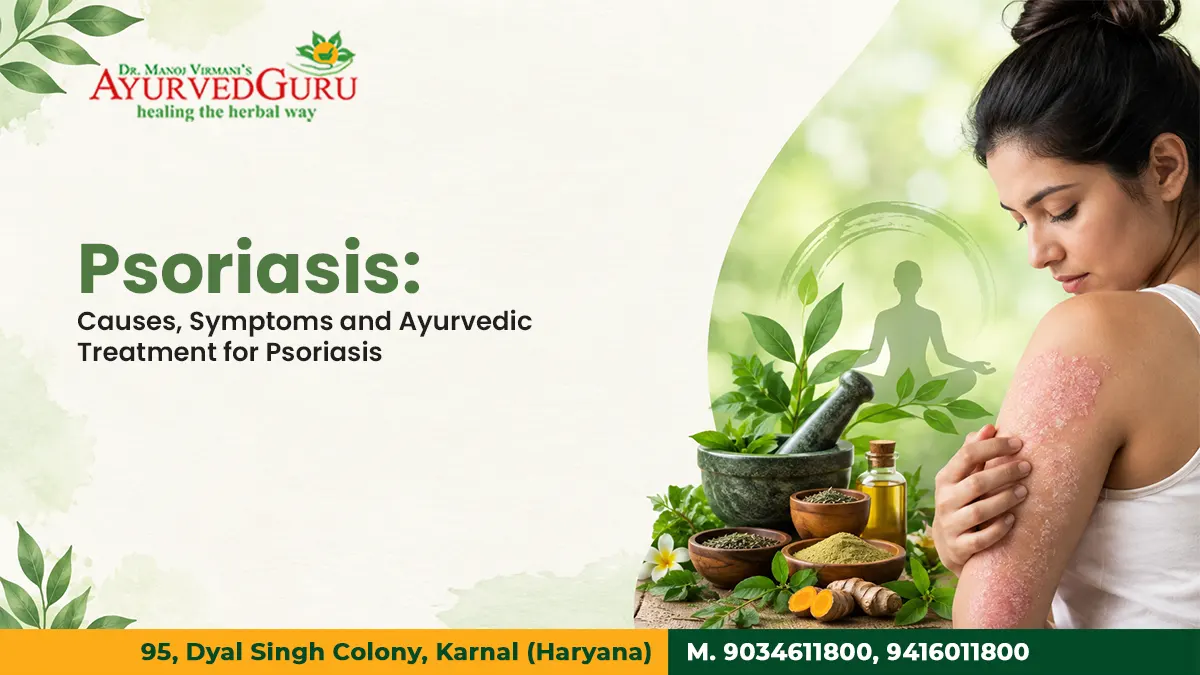
The way in which psoriasis appears varies from person to person. The classic presentation is an inflamed, raised patch covered with dry silvery or whitish scales. The affected areas may look pink, red, purple, brown or darker than surrounding skin, depending on skin tone.
In some people only small patches of skin are affected while in others large areas of skin are affected. Psoriasis can also affect the scalp, nails and, in some people, the joints.
It is essential to keep in mind that not all dry or irritated skin is psoriasis. Eczema, fungal infections, allergic reactions and a number of other skin conditions can also cause itching and inflammation. A qualified healthcare professional or dermatologist can help make the correct diagnosis.
Why does psoriasis itch?
One of the most bothersome symptoms of psoriasis is itching. As plaques become dry and scaly the skin can feel tight, irritated and extremely itchy. Scratching might give some relief temporarily but repeated scratching can damage the skin and make the plaques thicker.
This is why skin care is an important aspect of psoriasis management. Moisturizing the skin can help reduce dryness and discomfort, and gentle bathing and avoiding harsh soaps may help prevent further irritation.
You can try simple home remedies for psoriasis itching home remedy such as applying a fragrance-free moisturizer regularly, using a cool compress and taking short, lukewarm baths for temporary relief. The aim is to calm the skin and not to irritate it more.
But you should not think of a home remedy as a cure for psoriasis. If the itching is persistent, severe or affecting sleep, it is worth talking to your healthcare professional about the symptoms so that the underlying psoriasis can be managed appropriately.
What Triggers Psoriasis Flare-Ups?
There is not a single trigger for psoriasis. Genetics and immune-system activity are important, but triggers vary from person to person.
Stress is a common trigger reported. In some people, flare ups can be triggered by illness or infection, skin injuries, smoking, alcohol consumption, certain medications and environmental changes. So discovering personal triggers can be as important as treating the visible plaques.
Sometimes a simple record of when flare-ups happen can reveal patterns. Symptoms may wax and wane and become more severe during periods of stress, following an illness, during particularly dry weather, or after changes in medication.
The aim is not to blame lifestyle for psoriasis. Instead, knowing what triggers someone can help them feel more in control of a condition that can otherwise feel out of control.
Natural Remedies for Red Patches on Skin
Searching for a red patches on skin natural cure is very common, especially for those who want to cut down on medication. But there is a difference between helping irritated skin with nature and saying that a natural remedy can cure psoriasis forever.
At present, psoriasis is considered to be a chronic disease. There is no known natural remedy that can rid it permanently. However, healthy lifestyle choices and gentle skin care can contribute to overall well-being and supplement an appropriate treatment plan.
A well-rounded diet, regular physical activity, and adequate sleep and stress management techniques can all contribute to overall health. Maintaining a normal weight may help too, as psoriasis can happen along with other health conditions.
As for home remedies, gentle is good. You are more likely to do damage than help if you apply lemon juice, undiluted essential oils or abrasive scrubs to inflamed skin. Even a so-called natural ingredient can upset compromised skin.
A better approach is focusing on protecting the skin barrier, identifying triggers and choosing treatments based on the severity and type of psoriasis.
Treatment for Psoriasis?
There is no one treatment for psoriasis that works for all people. Treatment is usually selected based on the type of psoriasis, affected areas, severity and how it affects the person's quality of life.
For some, topical treatments and moisturizers may be enough. Others may need phototherapy or drugs that act systemically. Today, there are many treatments for psoriasis. Your dermatologist may use one or more of these options to treat your psoriasis, whichever is best for you.
That’s also why self-diagnosis can be an issue. A treatment that works for one type of psoriasis may not work for another. Scalp, nail and genital psoriasis, for example, may require a different treatment approach.
Can Ayurveda help with psoriasis?
In Ayurveda, a more holistic view of chronic health problems is taken, looking not only at the presenting symptoms but also at a person’s constitution, diet, digestion, lifestyle and overall health.
Those who are in search of skin scaling disease treatment Ayurveda are often looking for an approach that does not just treat the visible scales over and over again. Personalized dietary advice, herbal formulations, lifestyle changes and, where deemed appropriate by a qualified practitioner, therapies such as Panchakarma are among the tools used in Ayurvedic care.
But Ayurveda should be approached with a thoughtful approach. Not all herbal products are naturally safe and herbal medicines can interact with conventional medicines or have adverse reactions. Anyone considering Ayurvedic treatment for psoriasis should therefore seek advice from a qualified practitioner and inform them of any existing medicines or medical conditions.
Ayurvedic care can be considered as a complementary approach, but it is important to have a proper medical assessment, especially if the psoriasis is widespread, severe or associated with joint symptoms.
Ayurvedguru: Ayurvedic Treatment for Psoriasis in Karnal
If you are in Karnal or nearby and looking at Ayurveda for psoriasis, Ayurvedguru is an Ayurvedic clinic in Karnal that offers personalized care for chronic skin conditions. The psoriasis program of Ayurvedguru evaluates factors like Prakriti, Vikriti, diet, digestion, lifestyle and overall health of the individual before formulating a personalized treatment plan, the Ayurvedguru said. The clinic says its approach may include Ayurvedic medicines, diet and lifestyle advice and Panchakarma where appropriate. It also provides in-person consultations at its clinic in Karnal and online consultations for those outside the city.
The clinic is situated at 95 Dyal Singh Colony, Karnal, Haryana and offers consultations for those interested in an Ayurvedic approach to psoriasis care.
What is important is that care for psoriasis should not be treated as a one-size-fits-all solution. Whether choosing conventional dermatological treatment, Ayurveda, or a mix of approaches under professional supervision, the treatment plan should be tailored to the individual's symptoms, health history and needs.
When should I get professional help?
Sometimes dryness is nothing to worry about, but if you have persistent patches, recurrent scaling or unexplained itching, it's time to take note. If the patches are spreading, painful, bleeding, or significantly impacting your sleep and quality of life, then a professional evaluation is especially important.
And don’t forget about joint symptoms. Psoriasis can be associated with psoriatic arthritis. Persistent joint pain, swelling or morning stiffness should be discussed with a healthcare professional.
Severe or rapidly worsening psoriasis also needs immediate medical care. Some types of psoriasis can be serious and require urgent treatment.
Living Well with Psoriasis
Having psoriasis doesn’t mean you always have to hide your skin or worry about the next flare-up. It may be chronic, but that doesn’t mean you’re powerless against it.
In general, the best long-term solution is a combination of awareness, consistent skin care, trigger management and an appropriate treatment plan. Natural steps can help to soothe the skin and promote better lifestyle habits, while professional treatment can address the inflammation that causes psoriasis.
Instead of constantly looking for a miracle cure, aim to understand your skin and find an approach that is safe, personalized and sustainable.
If you are suffering from persistent itching, scaling or unexplained red patches, don’t ignore the signs or keep experimenting with harsh home remedies. Get the condition properly assessed, know what is triggering your flare-ups and select a treatment approach that works for your individual needs.
If you’re interested in Ayurveda, you might consider speaking with an experienced Ayurvedic practitioner to get a more personalized approach to managing your chronic skin concerns. If you are in Karnal or anywhere in India and are looking for Ayurvedic treatment for psoriasis, get in touch with Ayurvedguru to discuss your condition and see if its personalized Ayurvedic approach is right for you. Start your path to healthier skin by understanding the condition, not just masking the symptoms.
Meta description:
Learn about psoriasis, its causes and symptoms, itching relief, natural approaches, treatment options and the role of Ayurveda in skin care.