.webp?v=639247041873369369)

 Friday , 05/10/2026 - 1:45
Psoriasis is one of those skin conditions that can affect much more than the skin. The visible patches, itching and scaling are often only part of the experience. For many people, the uncertainty of a flare-up, the discomfort of constantly dry skin and the self-consciousness that comes with visible lesions can become emotionally exhausting.
The good news is that psoriasis can be managed. It may not have a simple one-time cure, but with the right combination of medical care, skin protection, lifestyle changes and attention to individual triggers, many people are able to reduce flare-ups and improve their quality of life.
Understanding what is happening to the skin is the first step.
What Exactly Is Psoriasis?
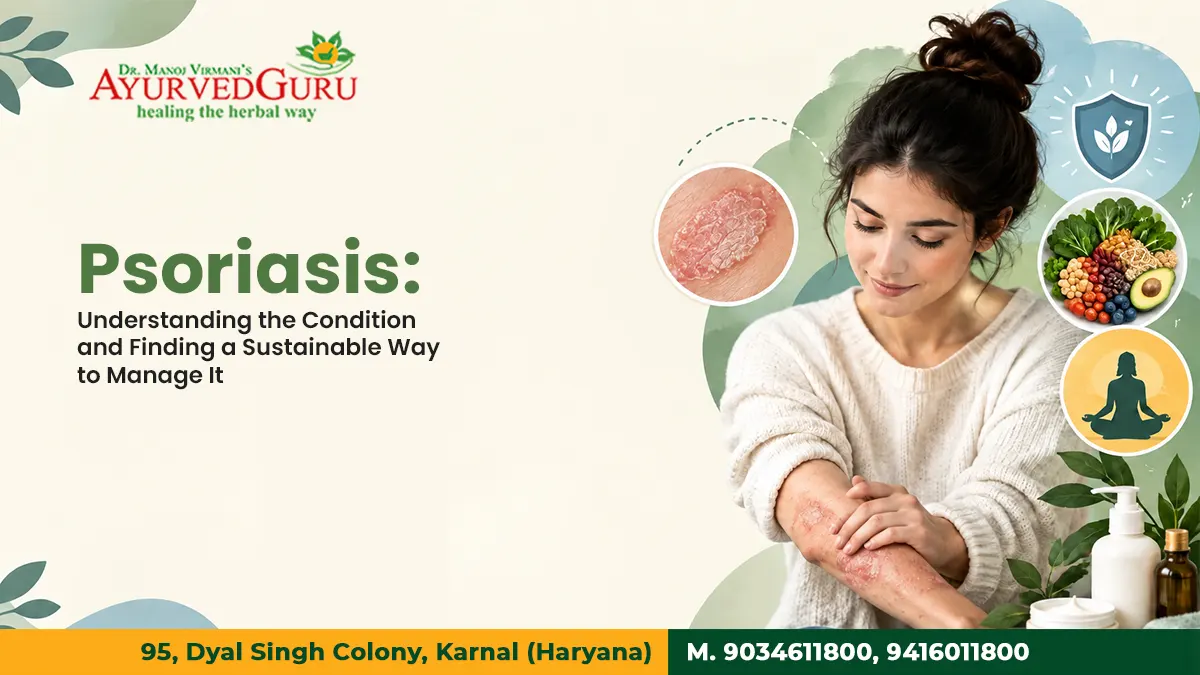
Psoriasis is a chronic inflammatory condition in which the immune system contributes to an unusually rapid production of skin cells. Instead of the normal process of skin renewal taking several weeks, affected areas can develop new skin cells much faster. This leads to a buildup of cells on the surface, producing the characteristic thick, dry and scaly patches.
These patches may appear on the elbows, knees, scalp, back or other parts of the body. Some people have only a few small patches, while others experience more widespread symptoms. Psoriasis can also affect the nails and, in some people, the joints.
Importantly, psoriasis is not contagious. It cannot be passed from one person to another through touch, sharing clothes or being physically close.
Why Does Psoriasis Flare Up?
There isn't always one obvious reason behind a psoriasis flare. Genetics and immune-system activity play important roles, but everyday factors can influence how frequently symptoms appear or how severe they become.
Stress is a particularly common trigger. Lack of sleep, smoking, excessive alcohol consumption, certain infections, skin injuries and some medications can also contribute to flare-ups. Hormonal changes may influence symptoms in some people as well.
This is why simply treating the visible patch may not always be enough. It is useful to look at the bigger picture.
Keeping a simple record of when a flare begins, what you have eaten, your stress levels, sleep, medications and any recent illness can sometimes help identify personal triggers. There is no universal psoriasis diet or trigger list that works for everyone. What matters is understanding your own pattern.
Can Ayurveda Have a Role in Psoriasis Management?
Ayurveda takes a broader view of health and traditionally considers skin health in relation to diet, digestion, lifestyle and overall balance. This whole-person approach can encourage useful habits such as maintaining regular meals, getting adequate rest, managing stress and paying attention to skin nourishment.
However, it is important to separate traditional principles from established clinical evidence. Research into Ayurveda for many health conditions remains limited, and evidence specifically supporting Ayurvedic treatments as a cure for psoriasis is not strong enough to replace established medical treatment.
That does not mean that every complementary practice is useless. Practices such as yoga, meditation and stress-management techniques may fit comfortably into a broader wellness routine when they are appropriate for the individual. The key is to use them as supportive measures rather than assuming that a natural treatment is automatically safe or effective.
If you are considering Ayurvedic medicines or herbal preparations, speak to a qualified healthcare professional and tell them about any other medicines you take. Some Ayurvedic preparations have been found to contain potentially toxic amounts of heavy metals such as lead, mercury or arsenic, while herbal products can also interact with medicines.
Start With the Skin Itself
One of the simplest but most important steps in psoriasis management is keeping the skin moisturised.
Dry skin can become itchy and uncomfortable, encouraging scratching that may further irritate or injure the skin. Regular use of a suitable moisturiser or emollient can help reduce dryness and protect the skin barrier. Medical guidelines also recognise moisturising products as an important part of psoriasis care.
Avoid aggressively scrubbing plaques in an attempt to remove scales. The goal is not to strip the skin but to soften and protect it.
It is also worth being careful with homemade preparations, essential oils or strong herbal pastes. “Natural” does not necessarily mean gentle. Irritated or broken skin can react badly to substances that would otherwise seem harmless.
Food, Lifestyle and Psoriasis
There is no single food that can cure psoriasis. Instead of following an unnecessarily restrictive diet, focus on a balanced eating pattern that provides adequate protein, fibre, fruits, vegetables, whole grains and healthy fats.
Maintaining a healthy weight, exercising regularly, limiting alcohol and avoiding smoking can also form part of a sensible long-term approach. Stress management deserves equal attention. Yoga, breathing exercises, meditation, walking or simply creating a more predictable daily routine can be useful ways of reducing stress.
These changes may sound ordinary, but psoriasis management is rarely about one dramatic solution. It is often about consistently doing several small things that support the body and reduce avoidable triggers.
When Should You See a Dermatologist?
Trying to manage mild symptoms at home may feel reasonable, but persistent, widespread or worsening psoriasis deserves professional evaluation.
Treatment depends on the type, location and severity of psoriasis. Depending on the situation, doctors may recommend topical medicines, phototherapy or systemic treatments. Current dermatology guidelines include several evidence-based options, and treatment can sometimes involve a combination of approaches.
A dermatologist can also determine whether what appears to be psoriasis is actually another skin condition. This is particularly important when symptoms are new, unusually severe or changing rapidly.
Joint pain, stiffness or swelling should not be ignored either, because psoriasis can be associated with psoriatic arthritis and other health conditions.
A Practical Way Forward
Living with psoriasis becomes easier when the goal changes from searching for a miraculous cure to building a treatment and lifestyle routine that you can actually maintain.
Protect your skin from unnecessary irritation. Moisturise consistently. Learn your personal triggers. Eat a balanced diet rather than following extreme restrictions. Give sleep and stress management the attention they deserve. If you want to include Ayurveda, discuss it with a qualified practitioner and your treating doctor, particularly before taking oral herbal preparations.
Most importantly, don't abandon proven treatment because a product is marketed as “natural” or “side-effect free.” Evidence and safety matter, regardless of whether something comes from a pharmacy or a traditional system of medicine.
Psoriasis may be a long-term condition, but living with it does not have to mean living at the mercy of every flare. With informed treatment, consistent self-care and a little patience, the skin can become more manageable—and the condition can occupy far less space in everyday life.