
.webp?v=639247041873369369)

 Friday , 05/10/2026 - 1:45
Psoriasis is one of those skin conditions that can affect much more than the skin. The persistent itching, dryness, scaling and visible patches can make a person conscious of their appearance and, during a flare-up, even uncomfortable in their own body. Psoriasis occurs when the immune system causes skin cells to be produced much faster than normal, resulting in a buildup of cells on the skin's surface. Plaque psoriasis, the most common form, typically appears as raised, scaly patches on areas such as the elbows, knees, scalp and lower back.
There is no single remedy that works for everyone with psoriasis. However, along with appropriate medical care, many people explore lifestyle changes, soothing topical applications and traditional systems such as Ayurveda. The important thing is to approach these remedies sensibly. Natural does not automatically mean safe, and an herbal preparation should not be treated as a substitute for professional diagnosis or prescribed treatment.
Understanding Psoriasis Before Trying Home Remedies
Psoriasis is not simply a problem of dry skin. It is an inflammatory condition influenced by the immune system, genetics and environmental triggers. Stress, skin injuries, infections, certain medicines, cold weather, smoking and heavy alcohol consumption can trigger or worsen psoriasis in some people, although individual triggers vary.
This is why simply applying an oil or drinking a herbal drink may not be enough. A more sensible approach is to look at psoriasis from several angles: keeping the skin moisturised, identifying personal triggers, maintaining a balanced diet, managing stress and, where appropriate, using professional treatment.
Natural Remedies for Psoriasis That Can Soothe the Skin
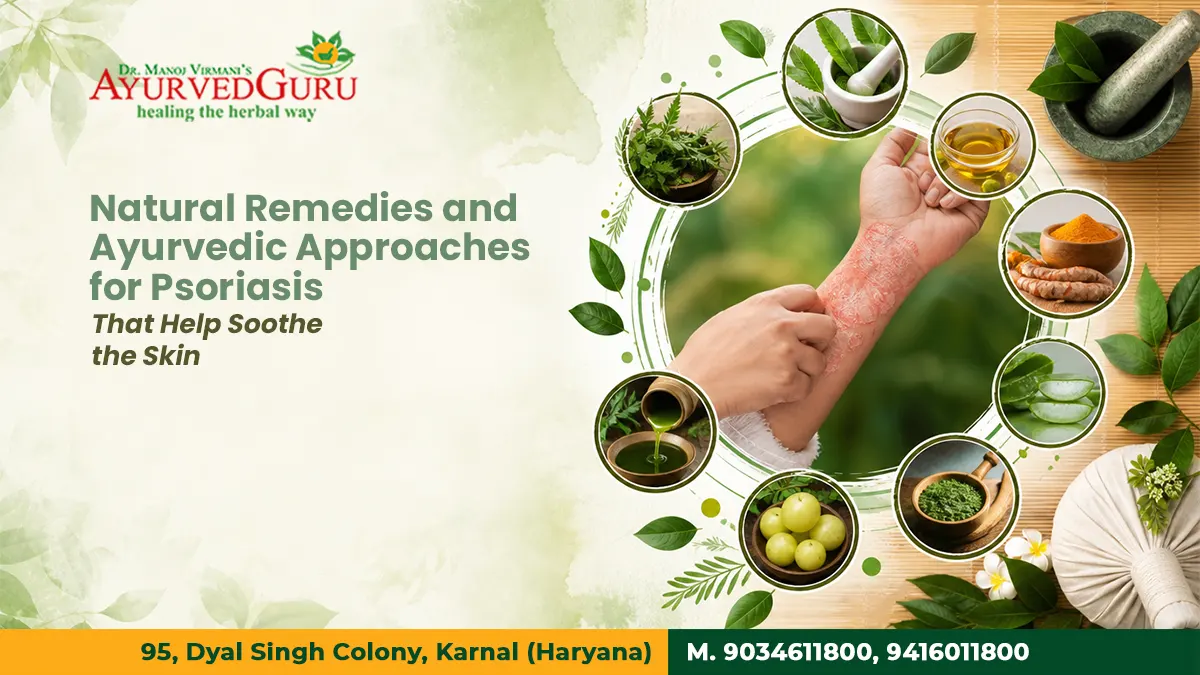
Some of the simplest natural remedies for psoriasis are also the least complicated. Keeping the skin moisturised is particularly important because psoriasis can leave the skin extremely dry, cracked and uncomfortable. A thick, fragrance-free cream or ointment applied soon after bathing can help lock moisture into the skin and reduce dryness. Dermatologists commonly recommend regular moisturising as part of psoriasis-friendly skin care.
Coconut oil is another traditional home remedy that many people use on dry, scaly skin. Rather than considering it a treatment for the underlying disease, it is better viewed as a moisturising option. A small amount can be gently applied to dry areas, provided it does not cause irritation. Aloe vera gel is another commonly discussed natural option. Some research has explored aloe vera and other plant-based preparations for psoriasis, although the evidence is not strong enough to consider them established cures.
A lukewarm bath can also be surprisingly helpful. Hot water may leave already-dry skin feeling worse, whereas a comfortably warm bath followed by immediate moisturisation can make the skin feel less tight and itchy. The aim should always be to soften the skin rather than scrub away the scales. Scratching or aggressively removing scales can injure the skin and potentially aggravate psoriasis.
The Ayurvedic Perspective on Psoriasis
Ayurveda approaches chronic skin problems through a broader lens, considering digestion, diet, lifestyle, stress and individual constitution alongside the visible skin symptoms. Traditional Ayurvedic descriptions of skin disorders are not identical to modern dermatological diagnoses, but Ayurvedic practitioners may use personalised combinations of diet, herbs, external applications and lifestyle practices when managing psoriasis.
An ayurvedic treatment for psoriasis may therefore involve much more than a single herbal medicine. Depending on the individual, an Ayurvedic practitioner may recommend dietary adjustments, oil application, stress-management practices and carefully selected herbal preparations.
However, it is important to choose qualified professional guidance rather than purchasing unidentified mixtures online. Some Ayurvedic products have been found to contain potentially toxic levels of heavy metals such as lead, mercury or arsenic, making the source and quality of the preparation extremely important.
Herbal Decoctions Traditionally Used for Skin Support
Decoctions, commonly known as kwath or kashaya, have a long history in traditional Indian medicine. They are prepared by simmering selected herbs in water and reducing the liquid to a smaller quantity. In Ayurvedic practice, the ingredients are generally selected according to the person's constitution and condition rather than using the same formula for everyone.
Neem is traditionally valued for its bitter properties and is frequently mentioned in Ayurvedic approaches to skin health. A simple neem infusion can be prepared by gently boiling a small quantity of clean neem leaves in water for several minutes and allowing the liquid to cool. However, drinking neem preparations regularly should not be treated as a harmless daily detox, particularly for children, pregnant women, people with existing medical conditions or those taking medication. Professional advice is preferable before internal use.
Turmeric is another familiar household ingredient with anti-inflammatory properties that has attracted scientific interest. A simple turmeric drink can be prepared by adding a small amount of turmeric to warm milk or water. Some people also add a pinch of black pepper. While turmeric may have potential as a supportive dietary ingredient, it should not be presented as a proven cure for psoriasis.
Another traditional approach involves herbs such as guduchi or manjistha, which are used in various Ayurvedic formulations for inflammatory and skin-related conditions. These should ideally be taken only under the guidance of a qualified Ayurvedic practitioner because the appropriate herb, dose and duration depend on the individual. Evidence for many Ayurvedic herbal preparations in psoriasis remains limited, and herbal products can also interact with medicines.
Diet and Lifestyle Matter More Than People Often Realise
There is no universal “psoriasis diet”, but eating a balanced diet rich in vegetables, fruits, whole grains, legumes, healthy fats and adequate protein can support overall health. For people who are overweight, gradual weight loss may sometimes reduce psoriasis severity and can also improve the effectiveness of treatment.
Stress management deserves equal attention. Many people notice that their psoriasis becomes worse during periods of emotional stress. Gentle yoga, breathing exercises, meditation, adequate sleep and regular physical activity may therefore become useful parts of a long-term psoriasis management routine.
The goal is not to follow an impossibly restrictive diet or eliminate dozens of foods without reason. Instead, keeping a simple record of flare-ups can help identify whether particular foods, stress, weather changes, lack of sleep or other personal triggers appear to have a connection with worsening symptoms.
Can Natural Remedies Cure Psoriasis?
This is perhaps the most important question to answer honestly. Natural remedies may help moisturise the skin, reduce discomfort and complement a broader treatment plan, but there is currently no reliable evidence that home remedies or herbal decoctions can permanently cure psoriasis. Psoriasis can go through periods when the skin becomes clear or nearly clear and then flare again later.
Some complementary approaches have shown promise in research, but evidence varies considerably between individual herbs and preparations. For example, research has found some evidence for topical Mahonia aquifolium and indigo naturalis, while evidence for several other natural products remains limited or inconsistent.
That does not mean natural approaches have no place. It simply means they should be used realistically. A moisturising routine, healthier lifestyle, stress reduction and professionally supervised Ayurvedic care can be valuable additions to psoriasis management without creating unrealistic expectations.
A Balanced Approach Is the Safest Approach
Living with psoriasis is often about finding what works consistently rather than searching for one miracle ingredient. Natural remedies for psoriasis can be incorporated into everyday skin care, while an ayurvedic treatment for psoriasis may offer a more personalised approach when supervised by a qualified practitioner.
At the same time, persistent, extensive, painful or rapidly worsening psoriasis deserves medical attention. Psoriasis can sometimes be associated with psoriatic arthritis and other health concerns, so treating it only as a cosmetic skin problem can mean overlooking important symptoms. Modern psoriasis treatment includes topical medicines, phototherapy and systemic treatments, depending on the severity and type of psoriasis.
Ultimately, the most sensible approach is neither to dismiss natural medicine nor to believe that every herbal remedy is automatically capable of curing psoriasis. The skin often responds best to patience, consistency and an individualised plan. When traditional wisdom, healthy daily habits and appropriate medical care are brought together thoughtfully, the goal becomes more realistic: calmer skin, fewer troublesome flare-ups and a better quality of life.


