
.webp?v=639247041873369369)

 Mon, 13/07/2026 - 10:30
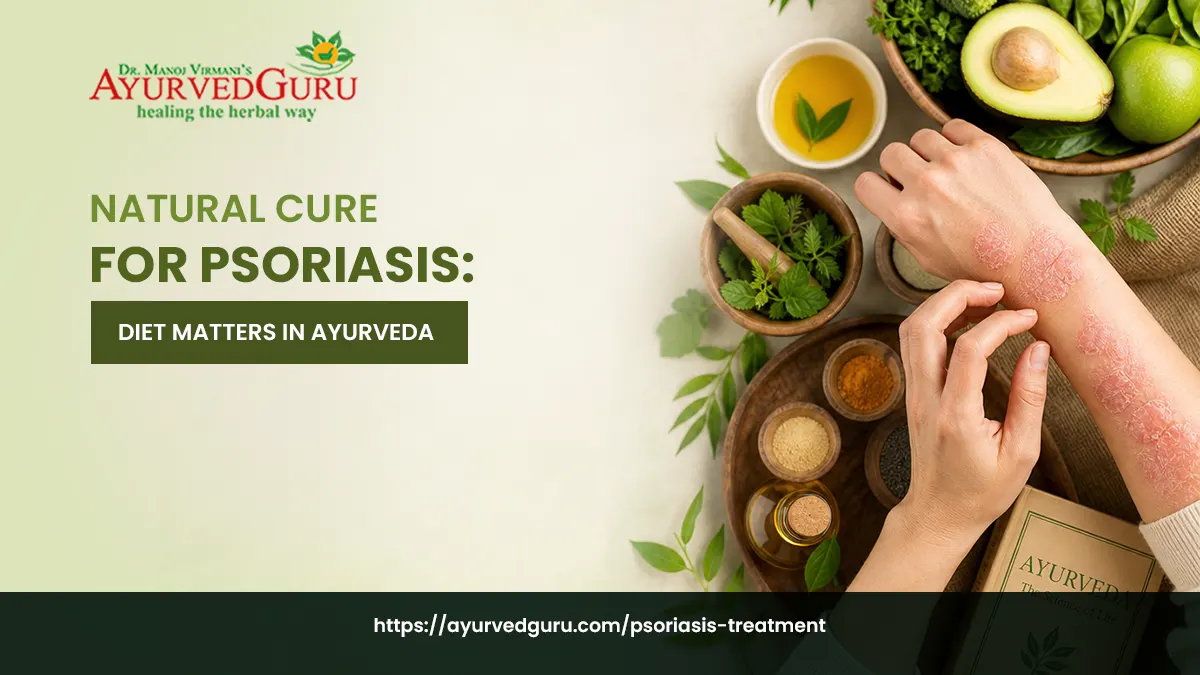
Psoriasis can sometimes feel like a never-ending cycle of flare-ups, discomfort and frustration. Creams and medications can help temporarily, but many are still looking for an answer that addresses the root cause of the condition rather than just the symptoms. This is where Ayurveda comes as a breath of fresh air. Ayurveda does not see psoriasis as a mere skin disorder but a symptom of internal imbalance, where digestion, immunity, lifestyle and mental health are all intricately related.
For centuries, Ayurvedic practitioners have known that the skin reflects the health of the body from the inside. Chronic skin conditions like psoriasis can be an expression of toxins that build up from poor digestion or unhealthy lifestyle. This is why treatment in Ayurveda is so much beyond herbal medicines. Food, daily habits, stress management and personalized therapies are all equally important factors in supporting healthier skin.
Psoriasis and Ayurveda: A Holistic Method
Psoriasis is a chronic autoimmune disease that accelerates the life cycle of skin cells, causing itchy, red, scaly patches. In Ayurveda, psoriasis is considered a disease of the doshas of the body, especially Vata and Kapha, usually with some impurities in the blood and a weakened digestive fire or Agni.
According to Ayurveda philosophy, improper digestion leads to formation of Ama or metabolic toxins which slowly accumulate in the body. Over time these toxins imbalance the doshas and impact the skin causing inflammation and recurring flare-ups. Effective management therefore not only addresses the visible symptoms but also digestion, detox and internal health.
How Your Eating Habits May Affect Psoriasis
In Ayurveda, the phrase “you are what you eat” has a special significance. Every meal we consume either nourishes our body or inflames it. For people with psoriasis, food can be a major factor in how often and how severely flare-ups occur.
The Ayurvedic diet for psoriasis patients is meant to reduce internal heat, improve digestion, and assist the body’s natural detoxification processes. Ayurveda advocates mindful eating that is attuned to the individual’s body constitution and steering away from foods that are known to disturb the doshas, rather than following restrictive eating patterns.
They usually prefer freshly cooked vegetables, seasonal fruits, whole grains, light dals, herbal teas and healthy fats as these are easy to digest and help in maintaining balance. Often warm fresh cooked meals are recommended as opposed to processed, refrigerated or highly preserved foods that may tax digestion and result in increased toxin formation.
Hydration also plays an important role. A healthy metabolism and skin health can be supported with adequate water intake throughout the day, including Ayurvedic herbal drinks.
What is Psoriasis Diet Chart According to Ayurveda?
One of the most common queries that patients have is whether Ayurveda has a perfect Psoriasis diet chart Ayurveda. According to Ayurveda, each person needs a customized diet based on their Prakriti (body constitution) and current dosha imbalance, but there are some common dietary guidelines.
In general, an Ayurveda diet routine emphasizes regularity in eating, eating fresh foods and eating in moderation. Breakfast should be light and nourishing. Lunch is the main meal of the day when the digestion power is at its peak. Dinner should be simple to avoid storing toxins overnight. They often contain seasonal vegetables, easy-to-digest grains, homemade soups and herbal preparations to support the gut.
It is equally important to identify foods that can trigger inflammation. Many Ayurvedic practitioners advise limitation of excessively spicy, fried, fermented, processed and packaged foods, as well as excessive sugar and alcohol, as these may aggravate internal imbalances in susceptible individuals. However, dietary recommendations should always be tailored by an experienced Ayurvedic physician and not used as a one-size-fits-all solution.
The Mind-Skin Link
One thing that distinguishes Ayurveda is its acknowledgement of the close relationship between emotional health and physical well-being. Many people with psoriasis find that emotional stress is often a precursor to a flare-up. This connection has been known in Ayurveda for centuries.
Meditation, yoga, breathing exercises and adhering to a consistent daily routine are viewed as valuable tools to calm the nervous system and support healthy immune function. Good sleep, regular physical activity appropriate to the individual, and eating wisely also help the body’s natural ability to heal itself.
Ayurveda doesn't consider stress management to be optional but rather an essential part of long-term skin health.
Personalized Care: The Change Agent
Each person with psoriasis has a unique story. Some have mainly trouble with scalp involvement. In others symptoms can be limited to the elbows, knees, hands or larger areas of the body. Treatment planning involves duration of the condition, family history, digestive health, lifestyle habits and emotional stress.
For this reason, Ayurvedic management is based on individual assessment. A physician may recommend herbal formulations, Panchakarma therapies, where indicated, dietary modifications and lifestyle changes that together contribute to restoring balance gradually, depending on the patient’s condition. The aim is not merely to temporarily suppress symptoms, but to support the body’s natural healing ability and reduce the likelihood of recurrent flares.
Selecting the Proper Ayurvedic Advice
Psoriasis treatment needs patience, regularity and expert supervision. While dietary changes can be meaningful, they should be part of a comprehensive treatment plan developed by a qualified Ayurvedic physician.
Ayurved Guru is one of the famous Ayurvedic and Panchakarma centers that treats patients with personalized and root-cause-based treatment rather than simply addressing the symptoms. The clinic follows classical Ayurvedic principles along with personalized consultations, Panchakarma therapies, herbal medicine and lifestyle guidance to help patients manage chronic health conditions like psoriasis.
Dr. Manoj Virmani is an experienced Ayurvedic physician with more than 30 years of clinical experience and specialized training in Panchakarma. He provides personalized treatment plans based on each patient's unique constitution and health condition. His approach emphasizes detailed dosha assessment, customized dietary guidance—including an Ayurvedic diet for psoriasis patients and a personalized Psoriasis diet chart Ayurveda—along with holistic therapies that focus on long-term wellness rather than temporary symptom relief.
Psoriasis is a chronic condition that often requires ongoing management, but a balanced lifestyle, proper nutrition and evidence-informed Ayurvedic care can become valuable elements of a comprehensive treatment plan. By working closely with qualified healthcare professionals, patients can make informed decisions and follow a holistic, personalized path toward healthier skin.


