
.webp?v=639247041873369369)

 Tue, 3/03/2026 - 12:30
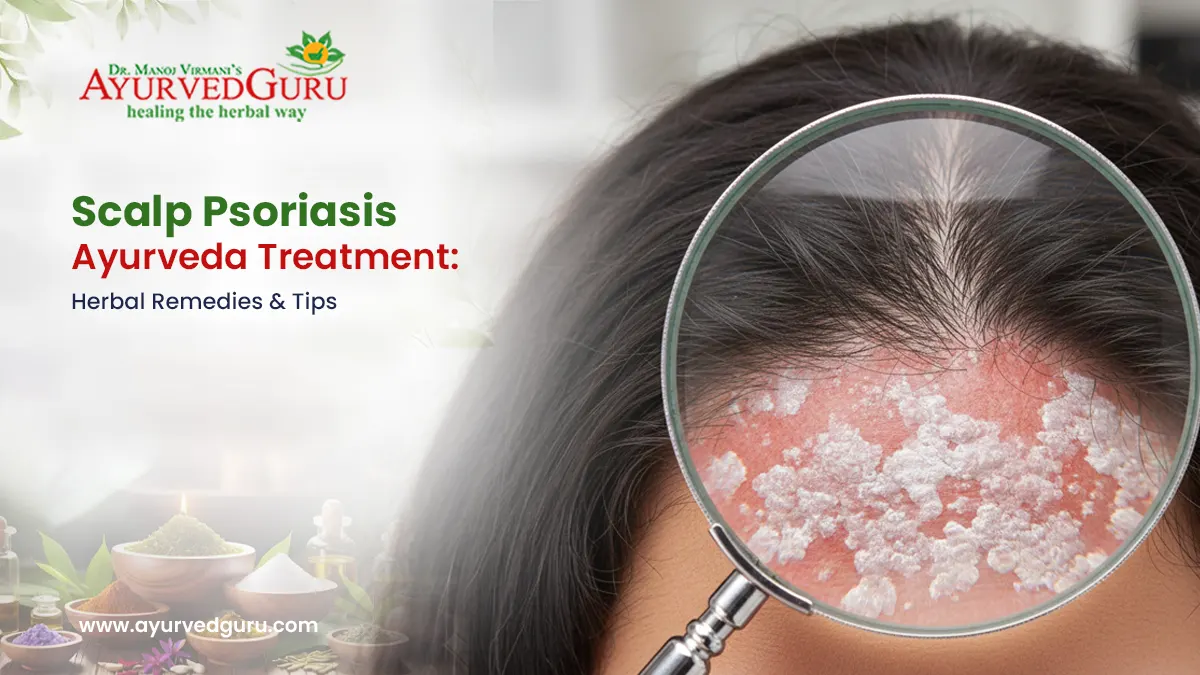
Scalp psoriasis is a problem many people face these days. It is not new, but now cases are increasing. It shows as red patches, white flakes, itching, and sometimes pain on the scalp. Some people also feel burning. Hair becomes messy with flakes, which can feel embarrassing in public, and many feel shy to talk about it.
Most people try shampoos, lotions, and creams. These may work for a few days, but then the problem often comes back. This makes people tired and upset. Ayurveda looks at scalp psoriasis differently. It does not see it as only a scalp issue but as a body imbalance. That is why Ayurvedic treatment for psoriasis is trusted by many people in India.
Ayurveda works slowly but focuses on fixing the root cause. It emphasizes digestion, food, stress, and daily routine. When the body feels balanced inside, the skin also starts healing outside.
Understanding Scalp Psoriasis in Ayurveda
According to Ayurveda, skin problems happen when the doshas go out of balance. There are three doshas called Vata, Pitta, and Kapha. Each person has all three, but one or two may become strong or weak.
In scalp psoriasis, mainly Pitta and Kapha get disturbed. Pitta causes heat, redness, and irritation while Kapha causes thick skin, flakes, and oily buildup. When these two combine, the scalp becomes inflamed and scaly.
Ayurveda also says weak digestion is a major reason. When food is not digested well, toxins form inside the body. These toxins are called Ama. Ama travels through the blood and reaches the skin, which slowly starts showing problems.
Stress also plays a role. Many people notice psoriasis increases when they are worried or angry. Ayurveda always talks about the mind and body together. If the mind is not calm, the body also suffers.
Why Ayurveda Is Important for Scalp Psoriasis
Ayurveda is an ancient Indian healing system. It does not only focus on symptoms but also tries to understand why the problem started. Old Ayurvedic texts describe skin diseases in detail. Scalp psoriasis is similar to a condition called Kitibha, and treatment traditionally includes herbs, oils, and food control.
Ayurveda believes the skin shows what is happening inside. If digestion is bad, sleep is poor and stress is high, the skin suffers. That is why Ayurvedic treatment covers many areas, not just the scalp.
This approach makes the best Ayurvedic treatment for psoriasis on the scalp more effective in the long run. It does not promise a fast cure but aims to provide steady relief.
Herbal Remedies Used in Ayurveda
Herbs are the main part of Ayurveda and many herbs are used for scalp psoriasis, both internally and externally and they are natural and mostly safe when used properly.
- Neem is a very common herb in India, it helps reduce itching and redness. Neem cleans the scalp and controls infection, some people wash hair with neem water while some use neem oil gently.
- Turmeric is another powerful herb, it is used daily in Indian cooking. Turmeric helps reduce inflammation inside the body. Some people take turmeric with warm water or milk while some mix it with oil and apply it on the scalp which helps slowly.
- Aloe vera is very soothing and applied on the scalp cools skin, reduces burning which also helps with dryness. Many people keep aloe plants at home for skin issues.
- Triphala is taken internally, it helps clean the stomach and improve digestion, it improves skin also slowly and many Ayurvedic doctors suggest Triphala at night.
These herbs together support Ayurvedic Treatment for psoriasis in a natural way.
Diet Tips for Scalp Psoriasis
Food plays a very big role in Ayurveda, the wrong food can increase heat and toxins and the right food can help the body heal. People with scalp psoriasis should eat simple food such as fresh vegetables, especially green ones, which are good and fruits like apples and pears are considered cooling.
Spicy food should be limited because too much chilli, fried snacks, and oily food increase Pitta and junk food also makes digestion weak. Moreover, drinking enough water is important as it helps flush toxins. Herbal drinks such as coriander water or chamomile tea also help.
Eating on time is important, skipping meals or eating late at night creates imbalance. Ayurveda likes routine and the body feels better with routine.
Lifestyle Changes That Help Healing
Ayurveda gives a lot of importance to daily habits, small changes can bring big relief.
Stress reduction is very important, yoga and breathing exercises help calm the mind, even short practice daily is enough and meditation also helps reduce flare-ups. Moreover, sleep should be proper and sleeping late increases heat in the body. People who sleep late often complain that itching becomes worse.
Oil massage on the scalp is helpful, it improves blood flow and relaxes the mind. Herbal oils nourish the scalp deeply. Try to Avoid scratching your scalp because it gives temporary relief but later makes the condition worse, keeping nails short helps.
Scalp Care in Ayurveda
Scalp care should be gentle, harsh shampoos damage the scalp more and ayurveda suggests mild herbal shampoos.
Oils along with neem, brahmi, or turmeric are used and should be slightly warm, not hot. Massage gently with fingers and after oiling, wash hair softly. Do not rub your scalp hard and pat dry hair with a towel.
Avoid hair dyes, sprays, and strong chemicals. These irritate the scalp and increase flakes.
Cleaning the scalp is important, but overwashing is not good. Balance is key.
Panchakarma and Detox Therapy
Panchakarma is special detox therapy in Ayurveda, it is done under doctor guidance only. For scalp psoriasis, treatments like Shirodhara are used. In this, warm oil flows on the forehead which helps to relax the nervous system and reduces stress.
Basti therapy is also used in some cases, it helps clean the colon and balance doshas. Since digestion is the root cause, this helps indirectly. These treatments are not the same for everyone, the doctor decides after checking body type and condition.
How Ayurveda Helps in Long Term
Ayurveda works on balance, when the body becomes balanced then the symptoms reduce naturally. By calming Pitta and Kapha, redness and flakes are reduced, by cleaning toxins, skin feels healthier, by improving digestion, new toxins stop forming.
Herbal oils heal scalp slowly while diet and lifestyle support healing from inside. The mind becomes calmer, so flare-ups reduce. Many people feel improvement step by step, the itching reduces, flakes become less, and the scalp feels better. This is why many people trust Best ayurvedic treatment for psoriasis on scalp.
Side Effects and Safety
Ayurvedic remedies are mostly safe but care is needed, not every herb suits everyone. Always consult a proper Ayurvedic doctor before starting medicines. Do not try to self-medicate.
Patch test is important before applying anything on the scalp because sensitive skin can react. If you are taking other medicines, inform the doctor. Some herbs may interact.
Ayurveda needs patience. Results are slow but lasting.
Conclusion
Scalp psoriasis is not just a skin problem, it affects confidence and daily life and many people feel frustrated after trying many treatments. Ayurveda gives hope by treating the body as whole by focusing on digestion, stress, food, and routine along with herbs, oils, and simple habits, and the body slowly starts healing.
It may take time, but relief stays longer. Ayurveda teaches balance, and balance brings comfort. If you are looking for natural and traditional care, Ayurvedguru can guide you. We focus on root cause and personal care.
At Ayurvedguru, treatment is planned based on your body and condition and guides you with herbs, diet, and daily routine in a simple way.
If you want to start your journey with Ayurvedic Treatment for psoriasis, connect with Ayurvedguru and take a natural step towards healthier scalp and peaceful life.


